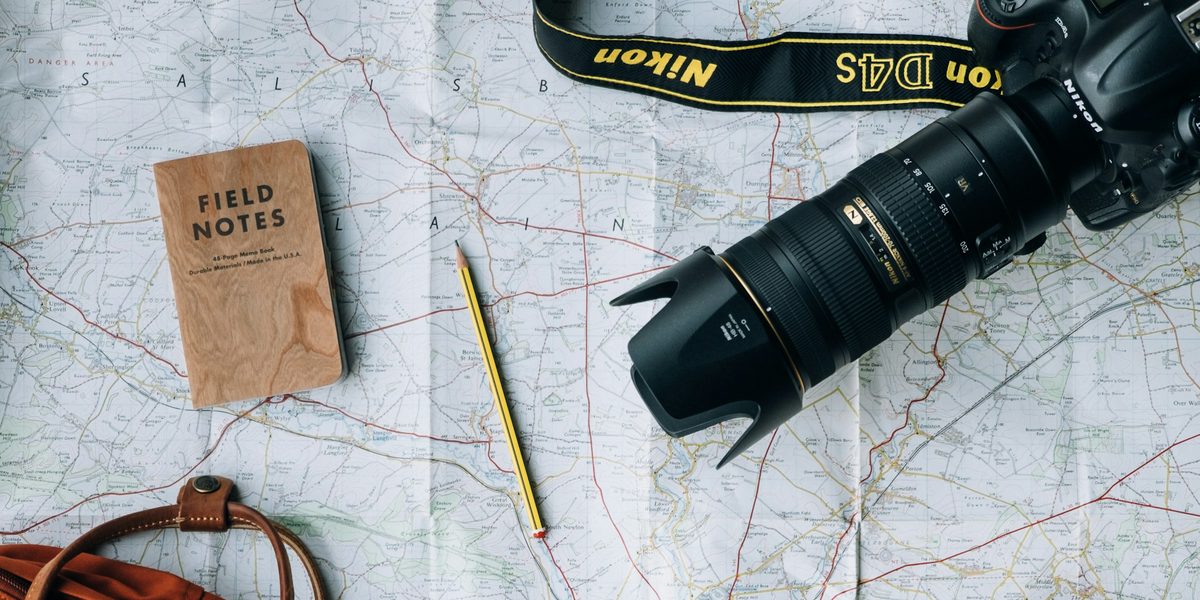
Mid-Range Travel Guide: Spain
The sweet spot of travel - comfortable accommodations, varied dining, and quality experiences without breaking the bank
Daily Budget: €135-305 per day ($147-333)
Complete breakdown of costs for mid-range travel in Spain
Accommodation
€60-140 per night ($65-153)
Private rooms in well-located three-star hotels, boutique guesthouses, or vacation apartments with a kitchen. Choose well and you'll score a balcony where you can sip morning coffee while watching the street below come to life. Spain's mid-range accommodation tends to punch above its weight compared to northern Europe. Expect air conditioning, proper beds, and often charming architectural details like tiled floors and wrought-iron balconies. Coastal towns and smaller cities run cheaper than Madrid or Barcelona. A rental apartment with a kitchen often works out more economical for stays of three nights or longer.
Browse mid-range accommodation →Food & Dining
€35-65 per day ($38-71)
Regular sit-down meals at neighborhood restaurants. A proper Spanish breakfast with fresh-squeezed orange juice and warm churros. The occasional splurge at a well-regarded local spot. The menú del día remains excellent value at this level too. You'll just find it at slightly nicer establishments where the wine is a step up. Evening meals in Spain at mid-range might include a spread of raciones to share. Think sizzling gambas al ajillo, aged manchego drizzled with honey, patatas bravas with smoky paprika sauce. Add a bottle of local Rioja or Ribera del Duero that costs a fraction of what it would anywhere outside Spain.
Transportation
€15-40 per day ($16-44)
A comfortable mix of metro, occasional taxi or rideshare, and the AVE high-speed train for intercity travel. Book the AVE a few weeks ahead. Car rentals make particular sense for exploring rural Andalucía's white villages. Also smart for the Basque coast where you can pull over at a viewpoint above crashing Atlantic waves. Or for the interior of Catalonia. Within cities, the metro plus walking covers nearly everything efficiently. Taxis serve as a convenience for late nights or luggage days.
Activities
€25-60 per day ($27-65)
Paid museum entries to places like the Prado in Madrid or the Picasso Museum in Barcelona. Guided walking tours through historic quarters. Cooking classes where you learn to build a proper paella with saffron-scented rice and fresh seafood. Day trips to nearby towns. Wine tastings in La Rioja. A flamenco show in Seville's Triana neighborhood where the heel-strike reverberates off tiled walls. Boat excursions along the coast all fall comfortably into mid-range territory in Spain.
Currency: € Euro (EUR)
Money-Saving Tips
The menú del dían is Spain's best-kept budget tool. Available at most local restaurants during weekday lunches, this fixed-price meal typically includes a starter, main course, bread, a drink, and often dessert. Making lunch your big meal and eating lighter in the evening mirrors how Spaniards eat. This cuts food costs meaningfully compared to ordering à la carte for every meal.
Buy multi-ride metro passes rather than single tickets in Madrid and Barcelona. A ten-ride pass works out to roughly half the per-trip cost of individual fares. In Madrid the tourist abono transport cards offer unlimited rides that pay for themselves within a couple of days of normal sightseeing.
Book Renfe intercity train tickets as far in advance as possible. The AVE high-speed trains between Madrid and Barcelona, Seville, or Valencia release promotional fares that can cost a third of the walk-up price. The difference between booking six weeks out and the day before is dramatic. This alone justifies rearranging your planning around.
Visit major museums during their free-entry windows. The Prado, Reina Sofía, and many regional museums offer free hours, typically on certain weekday evenings and Sunday afternoons. Timing your visits around these windows across a week-long trip adds up to genuine savings on attraction costs.
Choose accommodation with a kitchen, for stays longer than two nights. Spanish supermarkets and local markets like La Boqueria in Barcelona or Mercado Central in Valencia offer outstanding fresh produce, cured meats, cheese, bread, and wine. A few self-catered breakfasts and light dinners per week keep the food budget noticeably lower. You won't sacrifice quality.
Travel during shoulder season. April through May and late September through October deliver warm weather, manageable crowds, and noticeably lower accommodation prices. This is true along the coast and in the Balearics where summer premiums hit hardest.
Use the BlaBlaCar rideshare platform for intercity travel. Spaniards use it extensively. Sharing a car between cities often costs less than a bus ticket while being more direct. It also tends to be a solid way to meet locals and get unsolicited restaurant recommendations for your destination.
Common Budget Mistakes to Avoid
Eating in tourist zones around major landmarks instead of walking a few blocks into residential neighborhoods. The markup in areas like Las Ramblas in Barcelona or Plaza Mayor in Madrid runs roughly double to triple what you'd pay at an identical-quality spot just a short walk away. The food is, as you'd expect, usually worse.
Taking taxis everywhere within cities rather than using the metro. Madrid and Barcelona both have extensive, well-connected metro systems covering nearly every neighborhood of interest. Taxi fares between attractions add up fast, during peak hours when traffic crawls. The metro is often quicker anyway.
Booking coastal or island accommodation at the last minute during peak summer. Prices climb sharply as availability drops between June and August. By midsummer the remaining options tend to be either overpriced or inconveniently located. Even a month or two of advance booking makes a substantial difference. Three months out gives you the best selection.
Ordering drinks seated at a terrace table when the same drink at the bar counter costs less. In many Spanish bars and cafes, counter service runs cheaper than table service. The difference is pronounced at terraces in tourist-heavy areas. Standing at the bar is also more social and more authentically Spanish.
Ignoring domestic budget airlines for longer routes within Spain. Flying from Barcelona to the Canary Islands or from Madrid to Palma de Mallorca costs surprisingly little when booked ahead. This saves an entire travel day compared to ground transportation. The trade-off in comfort is minimal for a two-hour flight versus a twelve-hour bus.
Explore Other Travel Styles
Ready to plan your trip to Spain?
Now that you've got the research covered, here's where to go next.