Things to Do in Spain in August
August weather, activities, events & insider tips
Peak Season · Premium Pricing
August Weather in Spain
Temperature, rainfall and humidity at a glance
93°F (34°C)
High Temp
68°F (20°C)
Low Temp
0.0 inches (0 mm)
Rainfall
70%
Humidity
⚠ Interior cities spike between 1-4 PM. Seville emergency rooms see 40% more heat cases in August. That is not a rumor. It is math. Stay inside then. Hydrate like your life depends on it.
Is August Right for You?
Weigh the advantages and considerations before booking
Advantages
- + August is when the Mediterranean hits its yearly high, 26-27°C (79-81°F) along the Balearic Islands and Costa Brava. Float for an hour without a chill. The water is so clear you can snorkel above Posidonia seagrass meadows without a wetsuit. Formentera's Ses Illetes beach, a broad white-sand shelf sliding into turquoise shallows, looks sharpest in August light.
- + 15 hours of daylight, Barcelona in August. Sunset holds off until 9:15-9:30 PM, so the midday furnace becomes your ally. Eat long, crash hard, then hit the monuments and alleyways as the city cools. Spaniards cracked this code centuries ago. Copy them and the whole trip shifts.
- + August packs more festivals than any other month in Spain. La Tomatina in Buñol, Feria de Málaga, Semana Grande in Bilbao, all within weeks. Dozens of smaller neighborhood verbenas (street festivals) fill every gap between them. Hit the right city on the right week and you'll witness something no brochure ever captured.
- + August in Northern Spain, Galicia, Asturias, the Basque Country, stays green and cooler than the south. We're talking 20-25°C (68-77°F) with Atlantic breezes. The Camino de Santiago's coastal routes are at their most walkable. San Sebastián's beaches fill with Spanish families, not international package tourists. The Cantabrian coastline delivers dramatic cliff-top walking the south can't match. Climatically speaking, you're in a different country.
Considerations
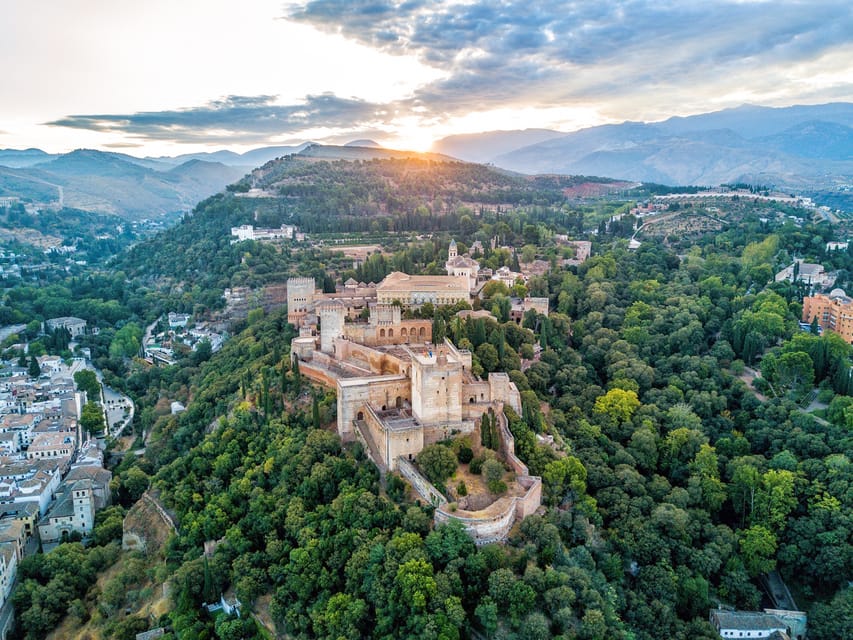
- − 40-45°C (104-113°F) in southern Spain by August afternoon, that's not just uncomfortable, it is dangerous for anyone who hasn't acclimatized. Seville, Córdoba, and the Andalusian interior hit their absolute extreme. The Alhambra in Granada at 2 PM becomes an endurance test: the approach path lies exposed, stone radiates heat it has absorbed all day, and the lines crawl. If Andalusia is your main target, build your day around a hard midday stop, rethink any outdoor plans after 11 AM.
- − Alhambra Nasrid Palace tickets sell out 2-3 weeks ahead, no exceptions. Show up without a reservation and you'll photograph exterior walls from the street. August is peak season. Prices and crowds peak too. The Balearic Islands charge their highest rates of the year. La Tomatina tickets vanish months early. The gap between planning ahead and winging it grows enormous in August Spain.
- − Half the neighborhood restaurants, local markets, and family-run shops in Madrid and Barcelona shut for two to four weeks in August. Spanish families aren't serving you, they're on holiday. That tapas bar from every food article? Handwritten sign: 'Vacaciones, Hasta Septiembre'. Tourist restaurants stay open. They're not always worth your time.
Best Activities in August
Top things to do during your visit
Balearic Islands Sea Kayaking and Boat Excursions
August is when Mallorca, Menorca, Ibiza, and Formentera surrender to boats. The sea stays flat, temperatures hover at 26-27°C (79-81°F), and between 7 and 9 PM the limestone sea caves and cliffs burn amber, every shot works. Menorca's northern coast, reached only by boat or kayak, strings together coves where the water is so clear you can count grains of sand at 8 m (26 ft) depth. Formentera's Ses Illetes beach, 30 minutes by ferry from Ibiza, shows up on every "best beaches in Europe" list, and in August the crowds prove why. Half-day sea kayak trips around Mallorca's Cap de Formentor, cliffs plummeting 200 m (656 ft) straight into the drink, are run by licensed operators with safety gear and guides who know the rocks. August gives the year's most reliable sea conditions for these routes, though afternoon wind can kick in, book the morning slot. Check current tours in the booking section below.
Booking Tip: August slots vanish fast, book sea kayaking and sailing excursions 7-10 days ahead. The best morning departure slots fill quickly. Hunt for operators who cap groups under 12 people. The difference in experience compared to large party boats leaving from resort ports is substantial. Confirm the booking includes snorkeling equipment and a guide familiar with the local coves.
Alhambra Palace Complex and Granada Evening Visits
The Alhambra is one of the world's most extraordinary surviving medieval structures, 14th-century Nasrid palaces whose stucco carvings appear physically impossible, gardens where 700-year-old water channels still drown Granada's noise below. August demands strategy. The complex sits at roughly 740 m (2,428 ft) above sea level, shaving some edge off Andalusian heat. Yet afternoon visits remain brutal. Book the first morning slot, typically 8:30 AM, when marble corridors stay cool and Generalife gardens haven't begun their heat radiation. After noon, descend into Albaicín's narrow lanes. The Moorish quarter stays shaded, and Mirador de San Nicolás delivers the classic palace view against Sierra Nevada, best in sunset's final hour when stone turns terracotta. Evening Nasrid Palace sessions, summer after 8 PM, run cooler with noticeably thinner crowds. Reserve all Alhambra tickets early: 3-4 weeks minimum for August dates. Check current guided tour options in the booking section.
Booking Tip: Alhambra tickets, book them direct through the official portal. Do it 3 weeks ahead for August dates. Evening Nasrid Palace access starts after 8 PM in summer. The lighting is better. Intricate plasterwork glows at close range. Daytime crowds? Gone. Atmosphere thick. Guided tours that include ticket acquisition will handle the logistics if you're booking late.
San Sebastián Pintxos Bar Circuit
San Sebastián's Parte Vieja packs more Michelin-starred restaurants per square kilometer than almost anywhere else on earth. Yet the real daily revelation? The pintxos bars along Calle 31 de Agosto and the streets radiating from the covered Bretxa market. Pintxos aren't tapas, they're a different discipline entirely. Each bar builds its own lineup of bread-based constructions. Combinations that took someone thought and time. Displayed in rows on the counter. Replenished through the evening as they're eaten. The etiquette needs no instruction. Stand at the bar. Point at what interests you. Order a txakoli, the local Basque white wine, poured from a height to aerate it, sharp and faintly fizzy, or a small beer. Eat standing up. Move to the next bar 50 meters down the street. San Sebastián in August carries the energy of a Spanish city in summer operating in climatic comfort. Typically 24-28°C (75-82°F) during the day. Cooling pleasantly in the evenings. The Parte Vieja bars packed from about 8 PM onward. La Concha beach curves in a perfect arc below the old town. Fills with Spanish families in August. Has a completely different feel from the Costa del Sol resorts. The pintxos circuit is self-guided. Requires no planning beyond showing up after 7 PM. Guided food tours covering four to six bars with Basque food context are worth considering for first-time visitors. See current options in the booking section.
Booking Tip: Skip the booking, just walk. Self-guided pintxos bar hopping needs no reservation and works best between 7 and 11 PM, the sweet spot when bars reload their counters fastest. Guided pintxos tours run most evenings and hit four to six bars, layering history and food talk. Reserve 3-5 days ahead in August. Everything worth tasting sits within a 400 m (0.25 mile) circle of Bretxa market, easy wandering, zero guesswork.
Camino de Santiago Final Stages (Sarria to Santiago)
August is the Camino de Santiago's peak month. The final 115 km (71 miles) from Sarria in Galicia to the Cathedral of Santiago de Compostela, the minimum distance to receive the Compostela certificate, swells with pilgrims from late July through September. This stretch delivers exactly what you pictured Galicia would be: eucalyptus forests with light filtering through the canopy, granite-flagged paths cutting through villages where stone farmhouses have stood since the 16th century, and the smell of damp earth and pine resin that clings to your clothes long after you've left. Northern Spain in August runs cool by Spanish standards, typically 20-24°C (68-75°F) with Atlantic breezes keeping conditions manageable for multi-day walking. The full Sarria-to-Santiago route takes 5-7 days at a moderate pace, passing through Portomarin, Palas de Rei, and Arzúa before the final eucalyptus-shaded approach into the city. Walking into the Plaza do Obradoiro and seeing the cathedral facade for the first time hits harder than expected, regardless of why you're walking. Municipal albergues (pilgrim hostels) operate on first-come-first-served basis and fill by mid-afternoon in August. Book private albergues on the last 3-4 stages well in advance. See current guided walking options in the booking section.
Booking Tip: August on the Camino is brutal. Book private rooms on the last three stages before Santiago 2-3 weeks ahead, no exceptions. Municipal albergues won't take reservations, so hit each stage by 1-2 PM or you'll sleep outside. Luggage transfer services let you walk with just a daypack while your bag waits at the next stop, smart money in August heat.
Flamenco in Seville's Traditional Venues
Real flamenco lives in Triana, not on tour buses. Across the Guadalquivir from Seville's old town, the peñas flamencas, private clubs tucked down back streets for decades, still guard the art's soul. August cranks everything up. Outdoor shows pop up all over Andalusia, and Seville's cultural institutions throw evening performances in historic patios where sound can't be faked. Guitar strings slap against 18th-century tile, footwork cracks against stone, nothing a stage can match. Timing is everything. Seville hits 38-42°C (100-108°F) most August afternoons. The only sane move? Long lunch, siesta through the furnace hours, then flamenco at 10 PM. Dinner at midnight. Once the stone releases its heat, the city shifts into gear, jasmine drifts from courtyards, the Guadalquivir mirrors Torre del Oro's lights, streets that felt lethal at 3 PM suddenly belong to people again. The difference between a 50-seat historic venue and a tourist tablao isn't subtle. One delivers truth, the other sells tickets. Check the booking section for what's on now.
Booking Tip: Seville flamenco shows sell out fast in August, book 1-2 weeks ahead. Hunt for venues holding 40-80 people inside historic buildings or traditional patios. The gap between cramped and cavernous is huge. Skip the 7 PM tourist traps. Evening shows at 9 PM or later draw real locals mixed with visitors, far better energy, better crowd.
Barcelona Architectural Circuit and Gràcia Festival Week
Barcelona in August isn't subtle, you'll feel the shift the moment you arrive. The Eixample and Gràcia neighborhoods, usually thick with locals, empty as Catalans bolt for the coast. International visitors flood in. The Gothic Quarter and La Barceloneta beach become shoulder-to-shoulder. What saves the month: Gràcia's Festa Major. Mid-August, roughly August 15-21. Each block wages war with papier-mâché and imagination. One street becomes an underwater seascape, fish dangling between balconies, blue cellophane turning sunlight liquid. Next block: lunar surface. Or a political jab. Months of neighbor labor, one week of payoff. You don't watch this show, you walk through it. Plazas sprout stages. Bars spill tables onto decorated streets. Community energy, raw and real, that tourist Barcelona rarely shows. Gaudí's Gothic cathedral reimagined through living geometry. Nave columns branch like trees 45 m (148 ft) above stone. Advance tickets mandatory. Worth every click. Check current city tour options in the booking section.
Booking Tip: Sagrada Família tickets? Book 2-3 weeks ahead for August. Tower access sells out faster than general admission, get it if you want the views. Park Güell's monumental zone needs advance booking too. The Gràcia festival? No tickets required. Walk through the street decorations for free. Performances in Plaça del Sol start around 9 PM and draw serious crowds.
Where to Stay in Spain in August
Hand-picked hotels across price tiers for August travellers.
Mid-Range
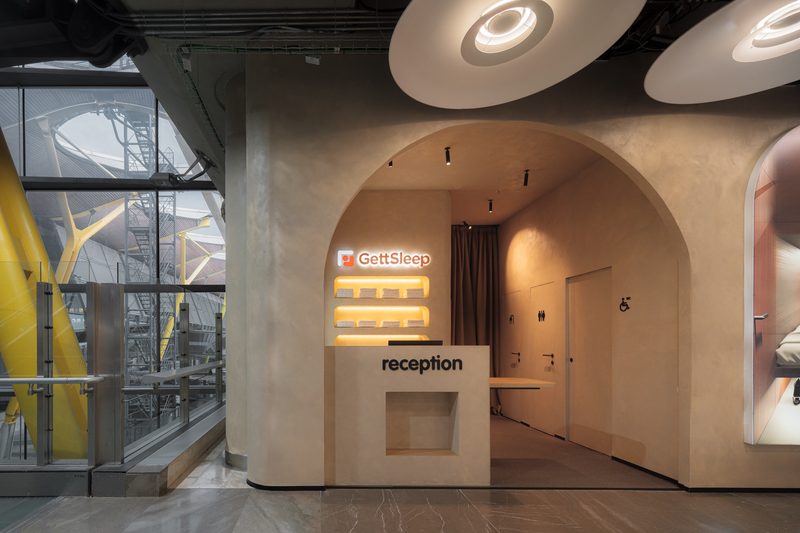
GettSleep Madrid - Barajas Airport - Terminal T4S - After security checkpoint
From $86 / night
Check Prices on Trip.com →
Public Holidays in August
Dates that affect opening hours, transport and crowds
Asunción
Known in English as Assumption. Observed nationwide as a public holiday.
Asunción
Known in English as Assumption. Observed nationwide as a public holiday.
Packing Checklist
Bookmark this page — your progress is saved between visits
Need the full list with shopping links?
Climate-specific gear, brand recommendations, and what to leave at home.
View Spain Packing List →Essential Tips
Insider knowledge and common pitfalls to avoid
Insider Knowledge
Dinner starts at 9:30-11 PM. The best neighborhood restaurants don't fill until 10 PM. Arrive at 7 or 8 PM and you'll find an empty room, sometimes a cook still chopping onions. Adjust to Spanish meal times and everything changes. You're suddenly eating with Spanish families instead of tourists. The food improves too, kitchens hit full stride, pans sizzling, orders flying.
August 15, Assumption Day, shuts France down. Family bakers, corner markets, your favorite bistro: all dark. Closures hit harder than a normal Sunday and they're harder to predict. Mid-trip? Pad those two days. Plan for shutters. Shift the Louvre, the towers, the big draws to either side. State museums usually power through, but double-check hours before you show up.
Madrid in August is underrated from a museum perspective. The city empties as Madrileños head to the coast. This means the Museo del Prado and Museo Reina Sofía, two of the best art collections in Europe, tend to have noticeably shorter entry queues in August than any other month. The heat (regularly 36-40°C / 97-104°F in the afternoon) is the real constraint. Early mornings in the Retiro Park and late evenings in neighborhoods like Malasañan and Lavapiés are pleasant. Accommodation tends to run lower than Madrid's usual pricing for a European capital.
Nasrid Palace tickets gone? Don't panic. The Alhambra's general grounds and Generalife gardens sell on a separate ticket that's significantly easier to obtain. The Generalife, a summer palace with a long water channel flanked by hedges and roses, surrounded by views across the Vega valley, is where the 14th-century sultans spent their days. It's not a consolation prize. It's worth several hours in its own right, and the exterior views of the Nasrid Palaces from the gardens are the ones most photographs are taken from.
Spanish families own northern Spain in August. They crowd Galicia's Rías Baixas beaches, march the Basque cliff-top paths above Getaria and Zumaia, and colonize every Cantabria surf break. You'll hear Castilian or Galician at lunch tables and on the sand, rarely English. The whole coast feels domestic, not international, a world away from the Costa del Sol's package-tour resorts.
Buñol releases La Tomatina tickets early, and they vanish fast. Feria de Málaga works the same way. Treat both like music festivals: book the moment your dates are fixed. The official municipal ticketing through Buñol opens well in advance and allocations are strictly limited. Showing up in August without a plan? Not a viable strategy.
Avoid These Mistakes
38°C (100°F) at 2 PM in August will roast you alive on the sun-blasted path to the Alhambra. The palace grounds are largely exposed, the stone radiates heat absorbed throughout the day, and booking an afternoon slot without checking the forecast turns one of the world's great buildings into an endurance test. Morning slots or the summer evening access sessions (after 8 PM) are the right choices, plan everything else around whichever slot you secure.
Southern Spain in August will break your itinerary if you don't respect the heat. Three cities in Andalusia means three cities of extreme midday temperature and heavy tourist concentration, all requiring the same 11 AM-6 PM indoor strategy. The south can't show you everything. Add one northern destination, San Sebastián, Bilbao, even a few days walking in Galicia, for genuine climatic relief and a version of Spain that Andalusia simply can't offer. You'll need the break.
Spanish hours will wreck your plans if you don't adapt. Shops slam shut from 2 to 5 PM across most of the country, no exceptions. Restaurants won't seat you before 8:30 PM, period. Smaller cities lock down Sunday trading hard. Build any August Spain itinerary without these rhythms and you'll spend a third of your afternoons staring at closed doors. Total frustration.
Ready to plan your trip to Spain?
Now that you've got the research covered, here's where to go next.
Book Experiences in Spain
Top-rated things to do in Spain this August


Explore More Activities in Spain
Didn't see anything interesting yet?
Browse Viator's full catalog of tours, day trips, food experiences, and private guides in Spain.
See All Spain Tours on Viator