Spain with Kids
Family travel guide for parents planning with children
Top Family Activities
The best things to do with kids in Spain.
Sagrada Família, Barcelona
Gaudí's unfinished basilica captivates kids and adults alike. The interior feels alive, columns branch like trees, kaleidoscopic stained glass floods the nave with colour. Even church-weary children stop and stare. Pre-booking is essential.
Alhambra Palace, Granada
The Nasrid Palaces are technically impressive yet can feel abstract to younger children. The real family hit is the Generalife gardens, a maze of fountains, roses, and cypress hedges where kids run wild without being shushed. The whole complex tells a great story about medieval Islamic Spain that older children find compelling.
Spain's Mediterranean Beaches (Costa Brava, Costa Dorada)
Skip Barcelona's packed city beaches. North, the Costa Brava hides Calella de Palafrugell and Tamariu, small coves with glass-calm water, soft sand, and half the bodies you'll fight for towel space down south. South, Costa Dorada pairs sand with PortAventura for one easy theme-park detour. After three or four lazy days most parents admit the coast, not the cathedrals, becomes the real highlight of any Spain trip with kids.
Park Güell, Barcelona
Park Güell's mosaicked terraces, winding paths, and Gaudí-designed structures turn a simple stroll into pure storybook territory, kids can't get enough. The free areas outside the ticketed monumental zone hold their own magic. From the main terrace, Barcelona spreads below in what locals call the city's finest panorama.
Museo Nacional del Prado, Madrid
The Prado might seem like an unlikely family activity. But Madrid has invested heavily in making it child-friendly. Family guides. Activity sheets for different ages. A manageable scale, compared to, say, the Louvre. Focus on the Velázquez rooms and Goya's Black Paintings with older kids. Younger ones often respond strongly to the dramatic religious paintings, even without much context.
PortAventura World, Salou
Spain's largest theme park sits one hour south of Barcelona and delivers serious range, SesamoAventura keeps toddlers busy while Dragon Khan, one of Europe's tallest roller coasters, drops teens screaming. Next door, PortAventura Caribe Aquatic Park runs on separate tickets and saves the day when summer heat hits 35°C. You'll need the full day.
Flamenco Show (Tablao), Seville or Granada
A live flamenco performance in an intimate tablao, a dedicated flamenco venue, not a tourist dinner show, tends to be one of those unexpectedly powerful experiences for families. Even young children are often transfixed by the percussion, the intensity of the dancing, and the raw emotion. It's loud, physical, and visceral in a way that cuts across ages.
Aquarium Barcelona (L'Aquàrium)
80 metres of glass tunnel put you eye-to-eye with circling sharks and a silver cyclone of fish, Europe's biggest aquarium delivers the jolt first. In the Explora! zone kids crank handles, pilot subs, and shriek. The exhibits are smart, tough, and they'll burn an hour before you blink. When Barcelona skies unload, this is your dry refuge.
Toledo Day Trip from Madrid
Toledo's medieval walls hit you first, stone, sun, and swords for sale in every third shop. A 33-minute AVE bullet from Madrid, this hill-capped labyrinth turns kids into knights faster than any indoor display. Below the town, the Tagus gorge drops away. Above it, cathedral spires and synagogue tiles crowd the skyline like a 3-D textbook on how Christians, Jews, and Moors once shared one rock.
Parque Warner Madrid (Warner Bros. Movie World)
Warner Bros. theme park sits just outside Madrid, and it splits into five themed zones, DC Universe, Hollywood Boulevard, and three others, making it a solid bet for families whose kids know their superheroes. The rides skew older. We're talking tweens and teens, not toddlers, which sets it apart from PortAventura's more balanced mix.
Best Areas for Families
Where to base yourselves for the smoothest family trip.
Split Barcelona into two zones, Barceloneta for beach days and lazy evenings, the Gothic Quarter for medieval lanes where kids can sprint across Plaça de Sant Felip Neri, a shaded square you'll stumble into by accident, and you're five minutes from Port Vell's Aquarium. A short walk or Metro ride links the two.
Highlights: Beach access is five minutes flat. L'Aquàrium sharks glide overhead, kids lose their minds. Park Güell and Sagrada Família? Two Metro stops, door to door. Parc de la Ciutadella hides a playground that works: swings, slides, and a boating lake where you can row for €6 without queuing. Family-friendly restaurants crowd every block, pizza, tapas, gelato, repeat.
Rowboats on the lake, a glass palace catching light, street performers juggling fire, Retiro park is Madrid's answer to Central Park, only better. The adjacent Salamanca district gives you wide pavements, excellent playgrounds, and that rare neighbourhood feel. An evening paseo with kids feels natural here, not some forced march.
Highlights: Rowboats on the lake. Puppet shows every weekend. The Crystal Palace glints in Parque del Retiro, and you haven't even reached Museo Nacional del Prado yet, a ten-minute walk away. Stock up at good supermarkets for self-catering, then surrender to excellent bakeries and café culture.
Seville's Santa Cruz neighbourhood, the old Jewish quarter, smells like orange blossoms and twists into lanes where kids chase shadows between plazas they didn't expect to find. Cross the river. Triana feels real, tapas bars lean down to greet children, plates clatter, and Isla Mágica waits ten minutes away. Put the two together and Seville becomes one of the better family bases in Andalusia.
Highlights: Seville Cathedral's climb-able Giralda tower delivers the best payoff in town, 360 degrees of orange-scented rooftops you'll never forget. Isla Mágica water park keeps the heat at bay with slides that'll spin your kids silly. Horse carriages through the old town? Pure tourist trap. Kids don't care, they'll wave at every passerby like royalty. Plaza de España stuns with architecture so grand it feels fake, plus rowboats in the moat for 5 euros.
Between Tossa de Mar and Cadaqués lies Spain's finest stretch of coast, no Costa del Sol concrete sprawl here. The coves stay small. The water stays clear. Hilltop villages, Pals, Peratallada, work well for afternoon escapes. Girona city sits a day-trip away; its medieval Jewish quarter welcomes kids better than you'd expect.
Highlights: Small cove beaches with calm swimming, good for toddlers. The Dalí Museum in Figueres warps reality. Surreal and kid-mesmerising. Medieval villages rise from stone, unchanged. Older kids grab kayaks and snorkels, chase fish through clear water. Fewer crowds than Barcelona beaches. You'll breathe easier here.
Mallorca isn't mainland Spain, it is Europe's most family-friendly island, full stop. Palma packs a superb old town, a castle to storm, and restaurants that deliver. The southwest coast, Cala d'Or, Porto Cristo beside the caves, offers calmer water and better beach gear than the jammed north. The island runs like clockwork for families. You can't explain it, you just feel it.
Highlights: Coves Drach, notable cave system with underground lake, steals the show. Palma's Catedral de Mallorca rises above the capital's rooftops. Bike-friendly rural interior rolls past vineyards and stone villages. Reliable summer weather means 300 days of sun. Direct flights from most European cities land in under 3 hours.
Family Dining
Where and how to eat with children.
Kids eat everywhere in Spain. No ordeal, genuine pleasure. Restaurants that would be adult-only in France or the US welcome children without hesitation. High chairs appear almost universally. The Spanish eating schedule demands adjustment. Light breakfast. Big lunch, 2, 4pm. Late dinner, 9, 10pm. Families with young children quickly learn the sensible approach: make lunch the main meal. Eat an early dinner around 7, 8pm when restaurants open. Treat it as light tapas or snack, not a full sit-down affair.
Dining Tips for Families
- €10, 15. That's all a menú del día costs in most restaurants, and it buys you a starter, main, dessert, bread, plus a drink. Locals swear by it. Families save serious cash, portions are so generous that kids under 10 can split one plate without complaint.
- Tapas culture is family-friendly in practice. Ordering multiple small dishes lets picky eaters find something they like. The casual, shared-plate format suits children well.
- Beach towns run on chiringuitos. These beachfront restaurants open from noon and couldn't care less about kids. Sandy feet? Fine. Noise? Expected. Slow eating? They'll wait. No comments, no stares, just tolerance.
- Spanish kids don't eat "kid food", they dive straight into paella, tortilla española, croquetas, and jamón. No separate menu. No bland nuggets. These dishes are staples, not adult-only territory. Most children take to them fast.
- Need to eat at 6, 7pm with kids? Head straight to tourist districts in big cities or beach joints that serve foreigners. Locals won't fire up the stoves until 8:30, 9pm.
Shared plates save family dinners, everyone orders what they want, portions stay small, and nobody cares if your kid shouts. Seville's tapas bars hand you a free bite with every drink. Free kids' food while you sip wine.
A proper wood-fired paella arrives at the table still hissing, communal by design, meant to be attacked with spoons. Kids who'll eat rice devour it. In Valencia, birthplace of the dish, hunt La Patacona beach neighbourhood for restaurants serving the real Valenciana, rabbit and chicken locked in saffron rice.
Spain's culture of substantial sandwiches, bocadillos on crusty bread with jamón, cheese, or tortilla española, works well for fast family lunches. The Mercado de San Miguel in Madrid or Mercat de Santa Caterina in Barcelona give you market hall browsing where family members can graze different stalls according to preference.
Every major Spanish city now runs a solid Italian-influenced restaurant scene, perfect fallback when your kids hit that picky phase or jet-lag makes them refuse anything new. The quality is generally solid, in Barcelona. Not why you fly to Spain, obviously, but pragmatically useful.
Tips by Age Group
Tailored advice for every stage of childhood.
Spanish waiters don't fl side-eye when your toddler flings rice. They'll even smile. The real enemy is the clock: restaurants ignore you until 8:30, 9pm, right when you're hunting for bedtime. Flip the day, long, lazy lunch, then siesta, and you've hacked the local rhythm instead of fighting it.
Challenges: Cobblestone streets in historic city centres will wreck your standard pushchair. Bring a carrier as backup, or buy one with larger, more strong wheels. Summer heat in inland cities (Madrid, Seville) between 1, 6pm is brutal for toddlers. Midday activities must stay indoor or water-based during July and August. Late-night restaurant noise makes sleep impossible in city apartments.
- Start early. Lock in your main activity for the morning window, 9am to 1pm, before the heat slams down. Eat lunch. Then crash. Real rest, not scrolling. At 5pm, head out again; you'll have two hours, 5, 7pm, before the sun drops. Early dinner follows. Simple.
- Pack a portable blackout blind for apartment stays, Spanish summer light at 9pm will wreck your toddler's sleep schedule.
- Chiringuitos, those beach restaurants, are your lifeline with toddlers. Sand underfoot, wind in your hair, nobody blinks when rice hits the floor. The outdoor setting swallows the noise. The relaxed atmosphere forgives everything. Mess? Normal. Screaming? Background music.
- Spanish grandparents in public parks light up when a visiting toddler toddles over, lean in. This isn't staged friendliness. It is Spanish social culture in motion.
Seven to twelve is Spain's magic window. Kids that age can walk all day, shrug off heat, and still feel wide-eyed when a cathedral or tapas bar appears. The layered story, Christian, Muslim, Jewish, hits them hard. They don't just learn it. They live it.
Learning: Spain teaches history better than any classroom, if you frame it as story, not lesson. The Reconquista saga, 700 years of Christian kingdoms pushing back against Moorish rule until 1492, turns the Alhambra, Toledo, and Seville's cathedral into high-stakes battlegrounds. Kids grasp the drama instantly. Barcelona's Dalí and Picasso museums serve as perfect gateways into modern art, bright colors, weird shapes, zero boredom. The Barcelona Aquarium backs this up with hands-on marine biology that keeps even fidgety ten-year-olds locked in. Most sites now hand out family guides in English that flip adult content into kid-level stories without dumbing anything down.
- Let the kids pick one thing each day. Full stop. When they own a slice of the itinerary, the pushback against your adult-chosen stops melts away.
- Spain's food is a masterclass in disguise. Hand the kids the menu, let them order tapas, weigh jamón, sniff manchego. Ask what paella is made of. They'll learn.
- Barcelona's Picasso Museum hands families a good guide, one that traces his childhood and growth instead of dropping the usual "great art" bomb. Kids follow a story, not a lecture.
Drag a teenager to Spain and watch the transformation. Overnight, the sullen kid who rolled their eyes at the airport becomes the one dragging you out for churros at midnight. Spain lands every punch. Visual impact slams first, cathedral spires in Seville, Gaudí's fever dreams in Barcelona, orange groves rolling toward white villages. Then food culture ambushes them. Tapas bars aren't restaurants; they're edible treasure hunts. A plate of patatas bravas here, a sliver of jamón there. Late-night eating flips their schedules upside down, dinner at 10 pm feels like rebellion sanctioned by an entire country. Urban energy seals the deal. Barcelona and Madrid are legitimate excellent cities where teens can ride clean metros, skate past medieval walls, and buy vintage band tees beside Roman ruins. The cities move fast enough for their TikTok attention spans yet old enough to make them feel like explorers. Coastal freedom finishes the job. Beach culture operates on rules teens already know, sleep late, stay out later, judge each other's swimwear choices. The Mediterranean coast hands them independence on a platter. They'll figure out how to order paella for the table before you've found your sunglasses. Spain wins because it doesn't try to impress teenagers. It simply lets them taste adulthood in small, manageable bites.
Independence: Barcelona and Madrid let 15-or-16-year-olds roam solo, Spain's tourist zones have low violent crime and metros that run on time. Hand a teen 10€ for jamón at a neighbourhood market, then watch them walk back from a nearby restaurant without worry. The catch? Pickpockets. Crowded corners of Barcelona swarm with them. Phones stay hidden, wallets shift to front pockets. Set a check-in every 2 hours, quick text, shared pin, and freedom stays intact.
- Hand teenagers $20 and tell them it's theirs alone. One meal. One activity. Their choice. Watch the shift. Suddenly they're scanning menus, comparing prices, weighing options. They're asking strangers for directions. They're doing math. They're engaged. The autonomy does the work. The whole trip changes.
- Barcelona's Gothic Quarter and El Born neighbourhood aren't just old, they're alive. Teens who care about culture will find independent bookshops stacked floor-to-ceiling, record stores spinning vinyl you can't stream, and street art that turns alley walls into open-air galleries.
- Spanish nightlife doesn't wake up until you're ready for bed. Locals won't sit down to dinner before 10pm, ever. You'll see teenagers watching three generations share a table: grandmother, parents, kids, all eating tapas at 10pm like it is the most natural thing on earth. This isn't a tourist show. It is normal life. Worth knowing, not copying.
- Let teenagers pick dinner in Valencia, they'll brag forever about finding real paella themselves. Spain's food culture is that distinctive.
Practical Logistics
The nuts and bolts of family travel.
AVE high-speed rail is your best bet for families. Madrid to Barcelona in under 3 hours. Madrid to Seville in 2.5 hours. Done. The trains deliver proper seats, café cars, and space for luggage and pushchairs in designated areas. Book through Renfe's website or the Trainline app. Easy. Metro systems in Madrid and Barcelona work well, efficient, stroller-accessible at most (not all) stations. Check the accessibility symbols on maps before assuming. Smart move. Taxis and Uber/Cabify (available in major cities) generally take pushchairs without issue. No drama. For rural Andalusia, the Costa Brava, or Mallorca, a hire car wins. By far the most practical option. Car hire requires a car seat (silla para bebé), either bring your own or request from the rental company (additional charge, typically $10, 15 USD/day, worth pre-booking). Spain's motorway system is excellent.
Spain's healthcare system is good. EU citizens flash a valid EHIC/GHIC card and get emergency treatment equal to Spanish residents. Non-EU visitors need complete travel insurance with medical cover, this matters. Major cities stock well-equipped hospitals. In Barcelona, Hospital Clínic and Hospital de la Vall d'Hebron handle paediatric emergencies well. Pharmacies, farmacias marked by a green cross, stand on every corner and serve as a smart first stop for minor issues. Spanish pharmacists know their stuff and can often advise without a GP appointment. Nappies (Dodot, roughly equivalent to Pampers), baby formula (leche de inicio/continuación), and paediatric medicines sit on shelves at pharmacies and larger supermarkets, Mercadona, El Corte Inglés supermarket section, across the country.
Apartments with kitchenettes win every time for families. The ability to scramble eggs at 7am or feed kids pasta at 5:30pm beats any hotel buffet. You'll pay a bit more. But sanity has value. Airbnb and Booking.com dominate Spain's apartment scene. Both have deep inventory. Hotel "family rooms" need scrutiny. In Spain, this often means a double plus sofa bed, not two actual beds. Ask for a 'habitación familiar con dos camas dobles' and you'll get what you need. No surprises at check-in. Paradors, the state-owned network in castles, monasteries, and palaces, work brilliantly for families. Not cheap. Never cheap. But breakfast in a 15th-century cloister? Magic. They always have family rooms, and staff know how to handle kids. With toddlers, request ground-floor rooms with garden access. They can toddle while you drink coffee. You'll thank yourself at 6am when they're chasing lizards instead of screaming in a stairwell.
- Factor 50 sunscreen, stock up before you fly. Spain's summer sun is brutal, and SPF 50+ costs far less in UK and US pharmacies than in Spanish resort shops where they've marked it up heavily.
- Portable UV tent or sunshade for beach days with babies or toddlers
- Reusable water bottles, summer heat demands constant water access, and those single-use bottles? They'll bleed your wallet dry, fast.
- Pick the lightest pushchair you can find, one that folds to briefcase size. Cobblestones in historic centres chew up big wheels; a compact buggy or carrier sails right over them.
- Pack motion sickness meds if your kids get queasy, Spain's mountain roads twist hard, and coastal cliff roads will test even iron stomachs.
- Portable white noise machine or app for toddler naps in noisy hotel rooms
- EU plug adaptors if travelling from the US or UK
- Keep copies of your travel insurance documents and EHIC/GHIC cards in a separate place from the originals.
- €12, 15. That's all. The menú del día (set lunch) at sit-down restaurants is the day's best deal, three courses, drinks included, per adult. Most children can split one. Suddenly a family lunch isn't a splurge.
- Skip the ticket line, Spain's big museums don't always charge. The Prado opens its doors for nothing Monday, Saturday 6, 8pm and Sunday 5, 7pm. Reina Sofía follows suit: free Monday and Wednesday, Saturday evenings. Want more? The National Archaeological Museum in Madrid drops its fee on weekends.
- Barcelona Card and Madrid City Pass can save you real money, if you're hitting multiple paid attractions fast. Do the math before you go. Check your actual itinerary. Worth it.
- Mercadona stocks good-quality produce at reasonable prices. Self-catering for breakfast and occasional dinners cuts costs substantially. Spanish supermarkets are excellent for this.
- Skip July and August. You'll pay 20, 40% less for a bed, and the sightseeing weather is better.
Family Safety
Keeping your family safe and healthy.
- ! Sunburn, not tap water or pickpockets, is the real health danger for families in Spain. Southern Andalusia in July and August is brutal: UV levels are extreme from 11am, 5pm. Children burn faster than adults. Slather on factor 50 every 2 hours during outdoor activities. Pack wide-brimmed hats and UV-protective swimwear for young kids; don't gamble on finding them after you land.
- ! Barcelona's pickpockets work Las Ramblas like a job. The Gothic Quarter, Metro Line 3, same story. Zip kids' bags tight, swing them forward. No phones in hand for older children in crowded markets. Cross-body bags worn across the front, simple, effective. Bum bags work too. Madrid, Seville, smaller cities? Barely a whisper of this problem.
- ! Green flag, go. Yellow flag, think twice. Red flag, stay out. The Mediterranean coast's summer water stays calm, good for kids. Atlantic beaches in Basque Country and Galicia throw harder punches, currents here will test non-swimmers. Never turn your back on small children at the water's edge.
- ! Tap water won't hurt you anywhere in Spain, every city serves it, and most towns follow suit. The south can push back: heavily chlorinated or mineral-tasting water that children simply reject. Grab bottled water instead, cheap, everywhere. Food safety sits comfortably high. The only real kid wrinkle? Portion sizes and the salt punch of cured meats, jamón, chorizo, that can dry a child out fast under the heat.
- ! Spain drives on the right. Motorways are well-maintained. Secondary roads in rural Andalusia, Catalonia, and the Pyrenees? Narrow. Winding. Poor barriers, watch out. Children must be in age-appropriate car seats by law. Same rule across the EU. Spanish drivers are generally competent. Urban speed limits, 30 km/h on many residential streets, are enforced with cameras.
- ! Madrid and Seville will cook you alive in July and August. Temperatures hit 38, 42°C every single day. Kids melt faster, watch for unusual lethargy, pale skin, rapid breathing. Adults take longer to crash, but they'll crash. Force water every twenty minutes. Stay out of the midday sun completely. Scout air-conditioned rest stops in advance: shopping centres, museums, many churches. They're reliably cool. Plan this before you leave the hotel.
- ! Non-EU visitors need travel insurance with complete medical cover, no exceptions. EU visitors must carry their EHIC/GHIC card. Spain's hospitals are good. Yet specialist paediatric care outside major cities often means transport to larger facilities. Insurance covering medical evacuation delivers real peace of mind in rural areas.
Book Family Activities
Top-rated family experiences in Spain.
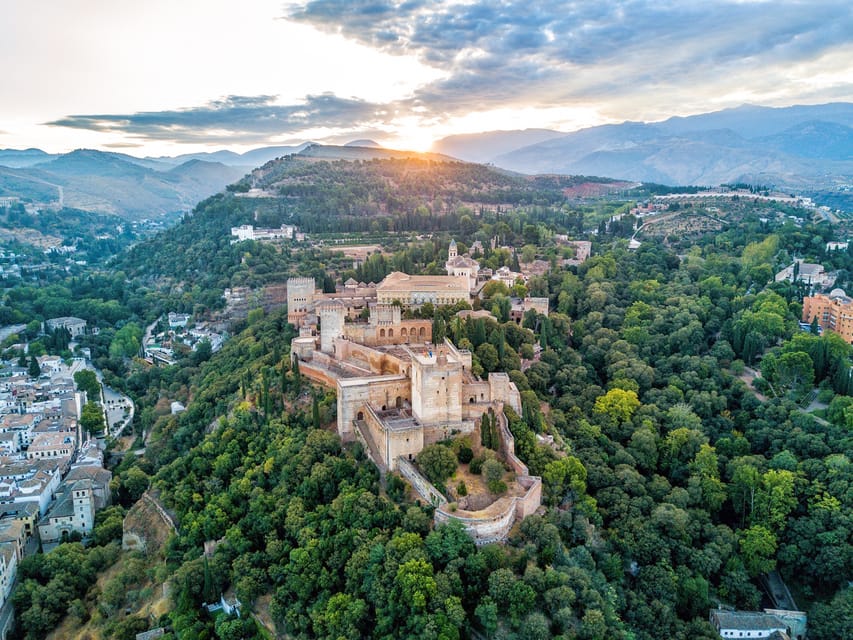
Alhambra and Nasrid Palaces Tour with Tickets
Discover the Alhambra on a small guided tour.
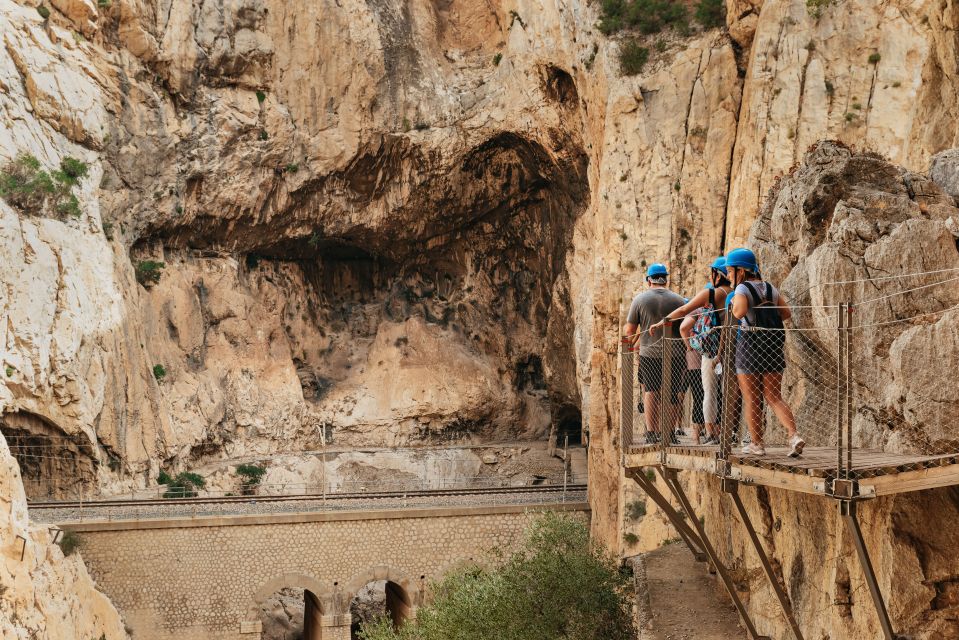
From Malaga and Costa del Sol: Caminito del Rey Guided Tour
Discover Caminito del Rey the easy way
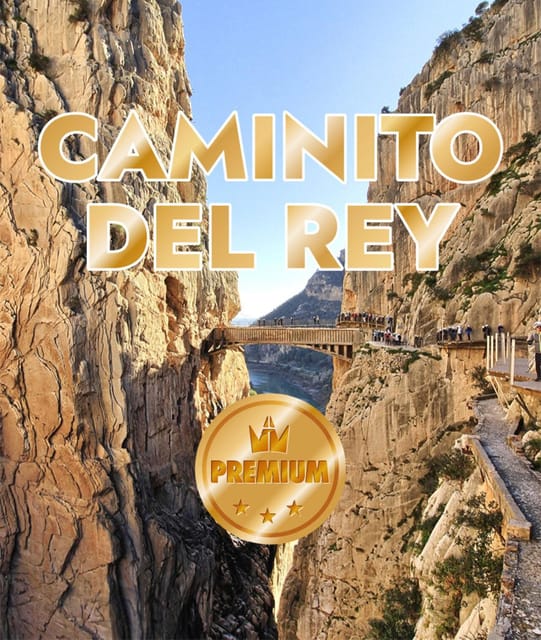
Caminito del Rey all included
Experience the Caminito del Rey with a local guide
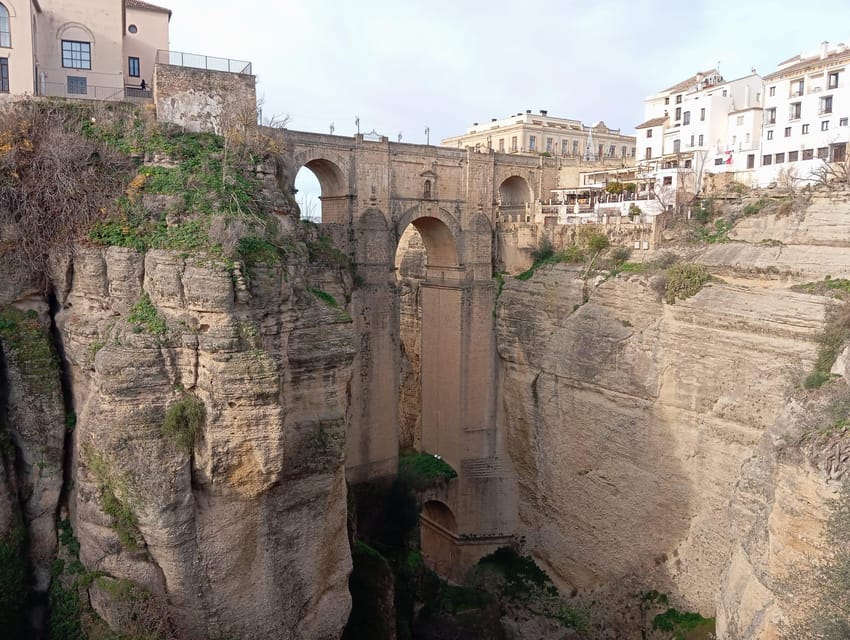
Ronda and Setenil de las Bodegas Day Trip
Discover two of southern Spains finest gems on this day trip from Seville. Visit the interesting ci

3 Hours E-Bike Tour in Palma
Lo Más Destacado del Recorrido •Atención Exclusiva: Tour íntimo con máximo 4 participantes. Tu guían es un anfitrión que se adapta a las necesidades y preguntas de tu grupo. •Sabor de Mallorca: Parada
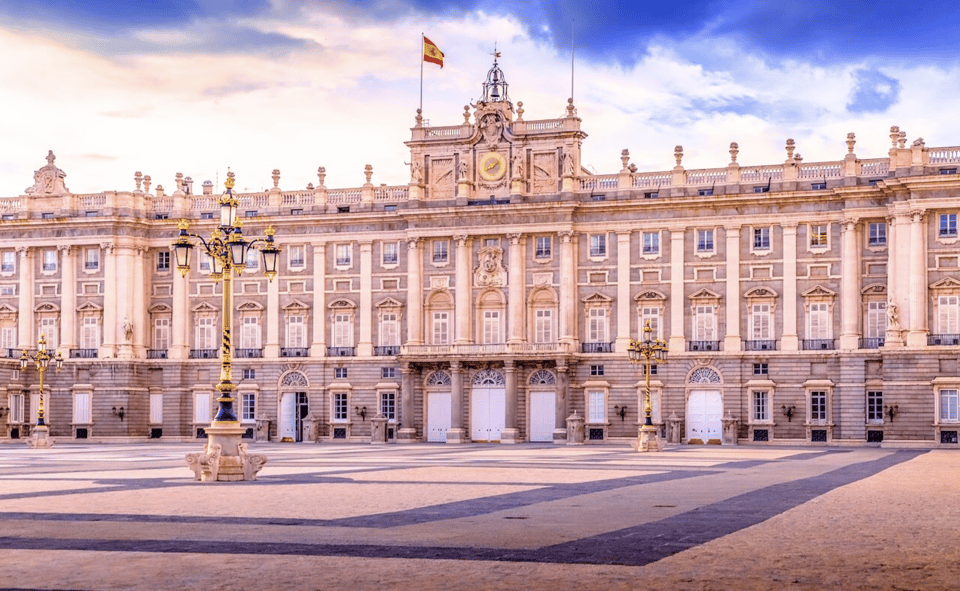
Royal Palace Skip-the-line Guided Tour
Join a guided tour of the Royal Palace in Madrid with skip-the-line entry.
Explore Activities in Spain
Didn't see anything interesting yet?
Browse Viator's full catalog of tours, day trips, food experiences, and private guides in Spain.
See All Spain Tours on ViatorReady to plan your trip to Spain?
Now that you've got the research covered, here's where to go next.