Free Things to Do in Spain
The best experiences that won't cost a thing
Free Attractions
Must-see spots that don't cost a penny.
Parque del Retiro, Madrid Free
350 acres of green sit smack in Madrid's center, and somehow feel both grand and lazy. Rowing boats drift across the artificial lake while the glass-and-iron Crystal Palace rotates fresh contemporary art shows. Rose gardens explode from May onward, and shaded paths swallow entire afternoons. On weekends the whole city arrives, dogs, kids, folding chairs. Total chaos. Worth it.
Barrio Gótico (Gothic Quarter), Barcelona Free
Barcelona's Gothic Quarter is touristy and still earns every visitor. The medieval lanes around the Cathedral coil above Roman stones, you'll trip over stretches of ancient wall, pocket plazas with orange trees, and the odd 14th-century building someone forgot in the best way. The mood flips after dark once day-trippers vanish.
Albaicín Neighborhood, Granada Free
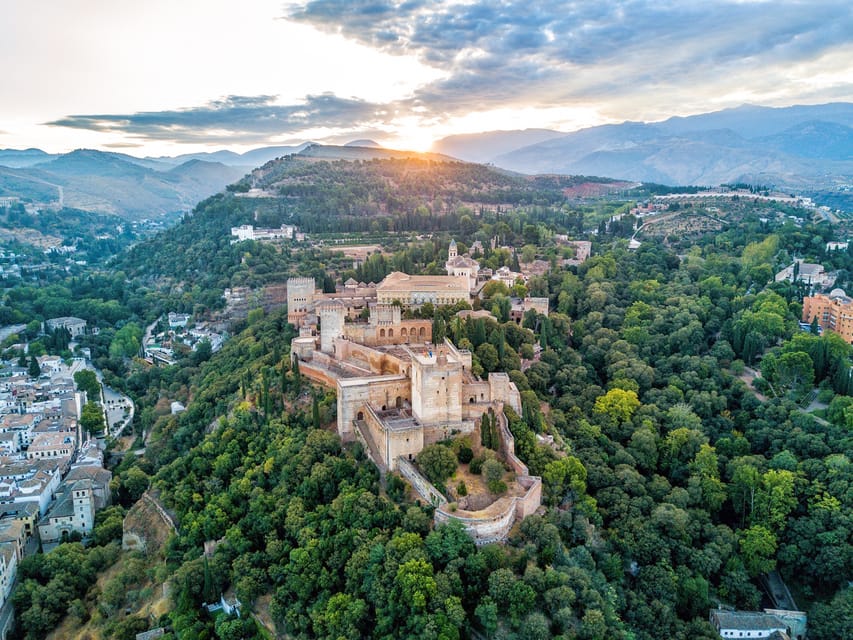
The old Moorish quarter climbing the hillside opposite the Alhambra is, along with the Alhambra itself, why people haul themselves to Granada. Whitewashed houses, steep cobbled lanes, jasmine drifting in season, that's the neighborhood. Views of the palace complex from the Mirador de San Nicolás will freeze you mid-stride. None of it costs a cent, and you'll need several visits before you feel you've mapped it properly.
Barrio de Santa Cruz, Seville Free
You'll get lost. That's the point. Seville's old Jewish quarter is one of Spain's most beautiful historic neighborhoods, a warren of whitewashed alleys, balconies dripping with flowers, and courtyards so shaded they stay cool even when Andalusia's summer heat turns brutal. The Alcázar palace borders it on one side. But the quarter itself costs nothing to wander. Its maze-like layout means you can walk for hours without covering the same ground twice.
La Concha Beach, San Sebastián Free
La Concha is Europe's best urban beach, and it is still free. The 1.5-km crescent in San Sebastián wraps a protected bay so neatly that nineteenth-century townhouses look painted on. Water stays calm, Atlantic swells blocked. Swimmers float straight out to Santa Clara island, 500 m offshore. No gates, no tickets, just walk on.
Mercado Central, Valencia Free
Valencia's Central Market is one of Europe's great covered markets, a modernist iron-and-glass building from 1928 housing around 300 working stalls selling the region's produce. Free to browse. Not a tourist show, the city's chefs are here buying their ingredients. Worth a visit on architectural grounds alone. Valencia tends to be underrated as Spain's food capital. This market is a good reason to revise that assessment.
Free Cultural Experiences
Immerse yourself in local culture without spending.
Museo del Prado (Free Entry Windows), Madrid Free
Velázquez, Goya, El Greco, Titian, Rubens, the Prado holds one of the world's great art collections in a neoclassical palace at the edge of the Retiro. The free windows work: Tuesday through Saturday from 6, 8pm, and Sunday from 5, 7pm. Two hours won't cover everything. No amount of time will. The evening light in the galleries, different. Special.
Museo Reina Sofía (Free Entry Windows), Madrid Free
Picasso's Guernica, the century's most consequential painting, anchors Spain's national collection of 20th-century art in Madrid. Dalí, Miró, and the Spanish Surrealists fill the galleries too. The building? A former hospital. Jean Nouvel added a striking glass tower. It rewards attention on its own terms.
Thyssen-Bornemisza Museum (Free Entry Window), Madrid Free
Madrid's third Golden Triangle museum fills the gaps Prado and Reina Sofía can't cover, Dutch Golden Age masters, French Impressionists, American pop art, German Expressionists, all under one roof spanning the 13th to 20th centuries. Free on Monday lunchtimes. A perfect midday break between morning walking and afternoon exploring.
Semana Santa Processions (Holy Week) Free
After dark, Spain's Holy Week processions turn city streets into open-air cathedrals. Seville, Málaga, Valladolid, and Zamora stage Europe's most visually extraordinary public events, and you won't pay an euro to watch from the curb. Brotherhoods of hooded penitents shoulder elaborate floats called pasos. Each depicts scenes from the Passion of Christ. Brass bands pound out marches you'll hear nowhere else. The music echoes off stone walls, strange and, yes, moving.
Free Outdoor Activities
Get outside and explore without spending a dime.
Cabo de Gata, Níjar Natural Park, Almería Free
Spain's least-known great coastline sits at the southeastern corner, volcanic cliffs, near-deserted beaches of fine dark sand, water that looks Caribbean rather than Mediterranean. Unlike the overdeveloped Costa del Sol further west, most of this coastline is protected parkland and free to access. Playa de los Genoveses and Playa de Monsul are among the finest beaches in the country by almost any measure.
Ordesa y Monte Perdido National Park, Pyrenees Free
Spain's oldest national park guards 3,000-meter limestone peaks, multi-tiered waterfalls, and glacial canyons sliced deep into the central Pyrenees. Entry is free, no ticket booth, no turnstile. The catch? Ainsa's seasonal buses are your only shot without wheels. The payoff? Scenery that rivals the Alps with a fraction of the boots on the ground.
Ruta de los Pueblos Blancos (White Villages Route), Andalusia Free
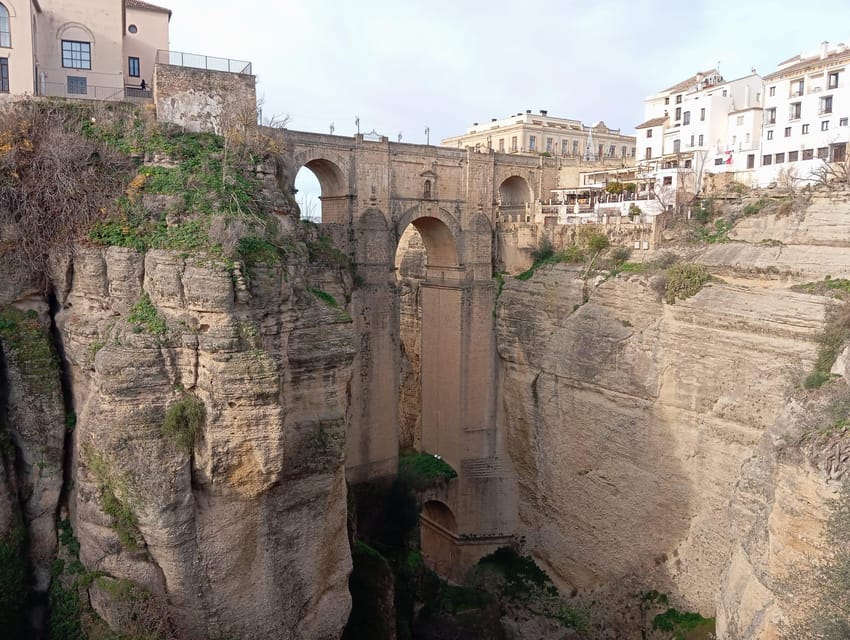
Drive or cycle the mountain loop that stitches Ronda, Zahara de la Sierra, Grazalema, Arcos de la Frontera, and Setenil de las Bodegas to the Costa del Sol, zero toll, pure payoff. These are Europe's most dramatically perched villages. The Sierra de Grazalema wrapping them is Spain's soggiest pocket, so you'll find improbable green trails even in July.
Camino de Santiago (Northern Route), Atlantic Coast Free
Spain's network of pilgrimage routes to Santiago de Compostela in Galicia covers thousands of kilometers and is, structurally, free to walk. The Camino del Norte follows the Atlantic coast through the Basque Country, Cantabria, and Asturias before turning inland to Galicia, combining good walking with some of the country's most dramatic coastal scenery. You don't need to walk the whole thing. Even a three-day section gives you a sense of what it's about.
Budget-Friendly Extras
Not free, but absolutely worth the small cost.
Menú del Día (Set Lunch Menu) €8, 13 (approximately $9, 14)
€8 buys lunch in Spanish towns, three courses, wine, and bread. The menú del dían anchors the working day: two plates, a drink (wine, beer, or water), dessert or coffee, all served before siesta for a fixed price. In most of Spain the tab runs €10, 13; smaller cities and towns drop it to €8. The kitchen? Same one that will charge double for the evening à-la-carte.
Free Tapas with Drinks in Granada €1.80, 2.50 per drink. Tapas are included at no extra charge
Granada still hands out free tapas with every drink, one of the last Spanish cities where the custom hasn't died. Order beer or wine at almost any bar and a small plate lands beside it, no charge, no questions. Your second round brings a new tapa. By the time you leave, an evening of eating and drinking in Granada can cost astonishingly little by any standard.
AVE High-Speed Train (Advance Purchase Fares) €15, 35 one way on advance purchase fares (versus €60, 120+ at the door)
Spain's high-speed rail network turns flying into a waste of time. Madrid to Barcelona, Seville, Valencia, Málaga, every major city linked by trains so fast that airport hassles become the real delay. Standard fares are expensive. Yet Renfe drops advance purchase seats (Básico tier) at prices that make the whole experience feel like a steal.
Pay-What-You-Want Walking Tours €5, 15 suggested tip per person (entirely your choice)
Skip the audio guide. In Madrid, Barcelona, Seville, Granada, and Valencia, licensed guides now run daily pay-what-you-want walking tours that beat the app every time. Two to three hours. Historic center. Your tip is their paycheck, so they'll earn it.
Tips for Free Activities
Make the most of your budget-friendly adventures.
Our guide covers the best areas to stay in Spain for every budget.
Where to Stay →Popular Paid Experiences in Spain
Looking for something extra? These are the top-rated bookable activities.

Explore More Activities in Spain
Didn't see anything interesting yet?
Browse Viator's full catalog of tours, day trips, food experiences, and private guides in Spain.
See All Spain Tours on ViatorReady to plan your trip to Spain?
Now that you've got the research covered, here's where to go next.