Things to Do in Spain in July
July weather, activities, events & insider tips
High Season · Book Early
July Weather in Spain
Temperature, rainfall and humidity at a glance
94°F (34°C)
High Temp
68°F (20°C)
Low Temp
0.0 inches (0 mm)
Rainfall
70%
Humidity
⚠ UV index reaches 8 - sunburn possible in 15 minutes without protection, at Madrid's altitude
Is July Right for You?
Weigh the advantages and considerations before booking
Advantages
- + San Fermín turns Pamplona into pure adrenaline, July 6-14, the city runs on red wine, white linen, and the particular madness of a million people watching bulls charge 875 meters (0.54 mile) down cobblestones at 6:30 AM sharp. Not into the Running of the Bulls? Doesn't matter. July's outdoor festival culture hits fever pitch across Spain, village verbenas spill into streets, open-air cinema flickers against ancient walls, summer concerts stretch warm nights longer than any other month can manage.
- + Sunset hits at 9:30 PM on the coasts in July, Madrid won't darken until 10. That single fact rewires your whole day. Dinner at 9? Still golden-hour on the Alhambra. Barcelona's Gothic Quarter cools down after 8, good for wandering. Beach crowds vanish by 8 PM, Mediterranean turning copper while you claim the last patch of sand.
- + 25-26°C (77-79°F) in late July, that's when Mediterranean water hits its sweet spot along Costa Brava and Costa Dorada. Suddenly snorkeling off Cap de Creus or Cabo de Gata shifts from "okay" to excellent. Clear water. Good visibility. Warm enough to lose track of hours. The Balearic Islands peak then too, even if beaches are crowded.
- + July in Northern Spain flips the script. While Andalucía wilts under 40°C (104°F) sun, the Basque Country and Galicia cruise at 22-25°C (72-77°F). Green hills. Cool breezes. The food culture alone, pintxos bars cramming San Sebastián's Parte Vieja, seafood shacks lining Galicia's Rías Baixas, makes the south's heat-battered tourist trail feel like amateur hour.
Considerations
- − Seville will cook you. 44-45°C (111-113°F) for days, real health problems, not just sweat. Walking exposed stone streets in afternoon heat? Dangerous. Córdoba matches it. Even Madrid at 660 m (2,165 ft) altitude holds 40°C (104°F) for a week straight without relief. Interior cities turn lethal in peak July heat. If your Spain itinerary centers on Andalusia and the interior, July demands a rethink, or radical restructuring around air-conditioned spaces from noon to 6 PM.
- − July slams every corner of Spain at once. Hotels spike to their yearly ceiling. Alhambra tickets vanish weeks, sometimes months, ahead. Barcelona's Las Ramblas turns into a slow-motion foot parade. Coastal towns nearest Madrid, Marbella, Alicante, the whole Costa del Sol, swell with Spanish families once school ends the last week of June. Don't cancel your trip. Just swap wishful thinking for a calendar and a plan.
- − UV index hits 8-10 across Spain in July. Mediterranean sun plus white walls and sneaky sea breezes, recipe for third-degree burns in record time. Midday sun from noon to 4 PM isn't gentle northern light. It sears skin in under 20 minutes at peak. This isn't a small problem. It dictates your whole schedule and every item in your bag.
Best Activities in July
Top things to do during your visit
San Fermín Festival Experiences in Pamplona
San Fermín runs July 6-14 and delivers Europe's only nine-day spectacle where a city mutates into equal parts religious rite, civic duty, and barely-controlled riot. The Running of the Bulls, encierro, kicks off at 8 AM sharp: six fighting bulls plus six steers thunder 875 m (0.54 miles) over cobblestones in roughly three minutes while thousands of runners gamble against horns. Watching from the barricades thrills even non-runners, the low rumble of hooves on stone, the crowd's sharp inhale, the raw smell of sawdust and livestock at dawn. But San Fermín stretches far beyond the encierro: peñas, local clubs, march brass bands through the streets from dawn to dawn, bullfights at Plaza de Toros start at 6:30 PM nightly, and the fireworks above the city ramparts rank among Spain's finest. Base yourself in nearby Logroño or Vitoria-Gasteiz and ride the train in for morning chaos. It works.
Booking Tip: Book your bed in Pamplona for July 6-14 a full year ahead, no joke. Trains run often from Logroño, Zaragoza, and San Sebastián, so day trips are easy. Hit Calle Estafeta's barricades by 6:30 AM; by 7 AM they're packed. Bullfight seats sell through the official San Fermín ticketing system. Check the booking section below for current guided festival experience options.
Green Spain Coastal Walking (Basque Country and Galicia)
Spain's south scorches while España Verde, the Atlantic north, runs a different weather system entirely. San Sebastián in July tops out at 23-25°C (73-77°F) with sea breezes that make the city livable. La Concha beach curves around its perfect bay, packed with Basques who've cracked the code the Mediterranean crowds haven't: this is one of Europe's finest urban beaches, water cool and clean enough that you swim instead of wade. Past the sand, the Camino del Norte hugs the coast west through cliff-top paths where Atlantic waves smash 60-80 m (200-260 ft) below, the paths from Hendaye toward Bilbao thread fishing villages reeking of salt and txakoli wine, and the walking is properly dramatic, not just scenic. Galicia, three hours west by train, runs even cooler. The jagged Rías Altas coastline, around Cedeira and the Cape Ortegal sea cliffs (among Europe's tallest at around 620 m/2,034 ft), delivers the kind of landscape that makes you wonder why you ever bothered with the crowded Mediterranean.
Booking Tip: Don't book the Camino del Norte itself, just show up. Pilgrimage hostels (albergues) run first-come, first-served. July changes the game. Arrive by early afternoon or pack a backup plan for every town. Basque Country guided day walks? They're gone 7-14 days ahead in July. Gone. Coastal paths can vanish after heavy rain. Check trail conditions with local tourism offices before you set out. Current guided walking options wait in the booking section below.
Costa Brava Sea Kayaking and Snorkeling
July is when the Costa Brava's rocky coves north of Barcelona hit their stride. The Mediterranean climbs to 25°C (77°F) and visibility underwater, around Cap de Creus Natural Park and the Medes Islands marine reserve, can hit 15-20 m (50-65 ft) on glass-calm days. This isn't the Costa del Sol's packed sand. You'll reach these coves by kayak or by foot down steep paths. The water is so clear you can see the bottom at 5 m (16 ft) depth. The marine reserve around the Medes Islands protects fish populations so dense that snorkeling feels like swimming through an aquarium. Midday heat is no joke, air temperatures reach 30-34°C (86-93°F) along the coast. But the sea breeze and the water itself keep things bearable. Mornings are magic: on the water by 9 AM, back before the afternoon stillness arrives. Cadaqués (where Salvador Dalí lived and worked for decades) and Begur make excellent bases, both within easy reach of the best coves.
Booking Tip: Book your Costa Brava kayak and snorkeling tours 5-10 days ahead in July, Medes Islands trips. The marine reserve caps numbers to protect the ecosystem. Half-day morning departures (8-9 AM) give cooler air and clearer water than afternoon slots. Most operators hand over all equipment. Check the booking section below for current tour options.
Alhambra Evening Tours and Granada's Albaicín Quarter
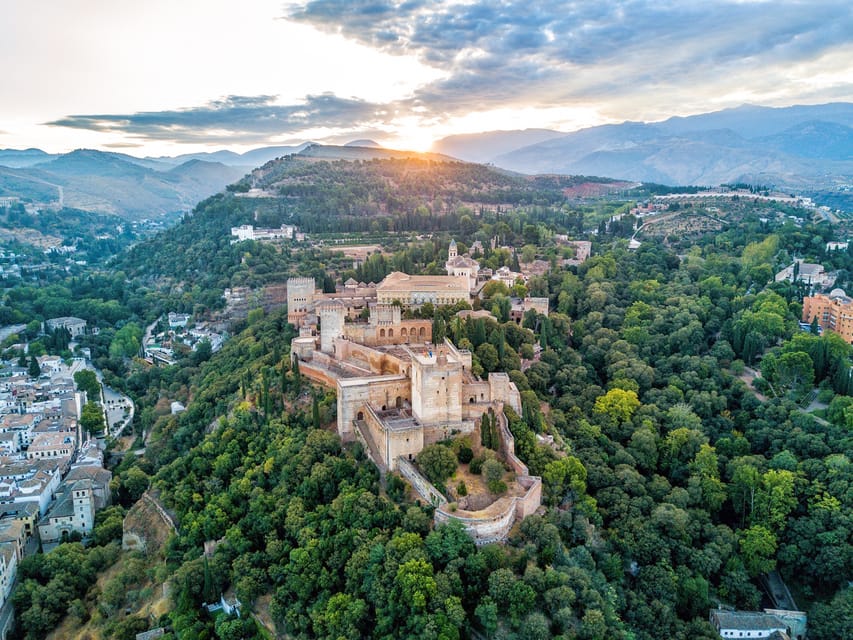
Granada in July is brutal, 36-38°C (97-100°F) by afternoon. Yet the Alhambra at dusk, when orange-gold light hits the Nasrid palace walls and the Sierra Nevada stays snow-capped (yes, even in July, peaks above 3,000 m/9,843 ft keep their snow) against darkening blue, delivers one of Spain's unrepeatable sights. The Generalife gardens still carry rose scent and running water through the heat. Evening tickets (from 8 PM onward) come far easier than daytime slots, temperature drops to 24-26°C (75-79°F) by 9 PM, and the Nasrid Palaces' illuminated interior, geometric stucco, carved calligraphy, fountain sounds in the Court of the Lions, feels calmer without the afternoon crush. The Albaicín above the city, a UNESCO Moorish quarter where whitewashed walls release stored heat into evening air, works best from 7 PM. Tea houses along Calderería Nueva pour mint tea from height into small glasses, jasmine drifts through air with occasional charcoal from teterías' braziers, and Mirador de San Nicolás gives the Alhambra's most photographed view across the valley, arrive 30 minutes before sunset to claim wall space.
Booking Tip: Evening slots at Alhambra vanish fast, 4-6 weeks ahead in peak July. Most visitors don't expect this. Book directly through the official Patronato de la Alhambra website. You'll dodge markup fees. Evening tickets cover Nasrid Palaces only. Alcazaba and Generalife? Daytime areas. Check current guided options below, they often include pre-secured entry.
Pintxos Bar Circuits in San Sebastián's Old Town
San Sebastián's Parte Vieja holds more Michelin stars per square kilometer than almost anywhere in Europe. Forget the white tablecloths. The real eating happens standing up at pintxos bars where counters overflow with small plates, spider crab on bread, foie gras on toast, anchovy and pickled pepper skewers, replenished throughout the evening and eaten in two bites. The circuit runs from around 7 PM until midnight or beyond. Bar to bar. A small glass of txakoli at each stop, the local dry sparkling white wine, poured from height with a theatrical splash to aerate it. The sound of the Parte Vieja on a July evening is particular. The smack of dominoes on marble bar tops. The hiss of vermouth being poured. Conversations in Euskara (Basque, a language unrelated to anything else on earth) mixing with Spanish and whatever other languages the visitors are speaking. Watch the bars with the highest turnover. The pintxos that disappear fastest are the ones to order. July weekends bring large crowds. Weekdays are more manageable and the bartenders have more time for the curious. The Gros neighborhood across the Urumea River runs a second, slightly less tourist-heavy pintxos circuit. Locals tend to favor it on busy summer nights.
Booking Tip: Pintxos bars won't take reservations, just show up hungry and keep walking. Don't plant yourself in one spot. For the Parte Vieja and Gros restaurants that require a table, book 3-4 weeks ahead if you're coming in July. The better-known spots fill fast. Guided pintxos and wine tours exist, they'll explain regional ingredients and wine pairings. Check current options in the booking section below.
Flamenco Performances in Seville and Granada's Sacromonte
July is peak flamenco season in Andalusia. The daytime heat in Seville is punishing, the stone streets of Triana and Santa Cruz radiate warmth long after dark, the air carrying orange blossom and hot pavement. Late-evening performances beginning at 9 PM or 10 PM are worth building your entire Seville itinerary around. The serious venues, tablaos and peñas flamencas, in Seville's Triana neighborhood and Granada's Sacromonte cave district run at full schedule in July. The performances in the Sacromonte caves, carved into the hillside above Granada, where acoustics are naturally close and intimate, carry an emotional weight that's difficult to explain and impossible to replicate in a larger venue. Real flamenco is not background music. The cante jondo (deep song) goes to dark places. The footwork creates rhythms you feel through the floor. A great performance leaves the room in something approaching stunned silence before the applause arrives. Arrive at least 30 minutes before showtime. The cave spaces in Sacromonte hold perhaps 30-40 people, and July shows sell out.
Booking Tip: Book flamenco shows 1-2 weeks ahead for July in Seville and Granada, longer for the most reputable venues in Sacromonte. The best shows include guitar and cante (singing) with the baile (dance); tourist traps often drop singers to save money, which guts the experience. Real peña flamenca performances, membership clubs that open to visitors, deliver rawer energy than tourist tablaos. Ask at local cultural offices or your accommodation. See current options in the booking section below.
Where to Stay in Spain in July
Hand-picked hotels across price tiers for July travellers.
Mid-Range
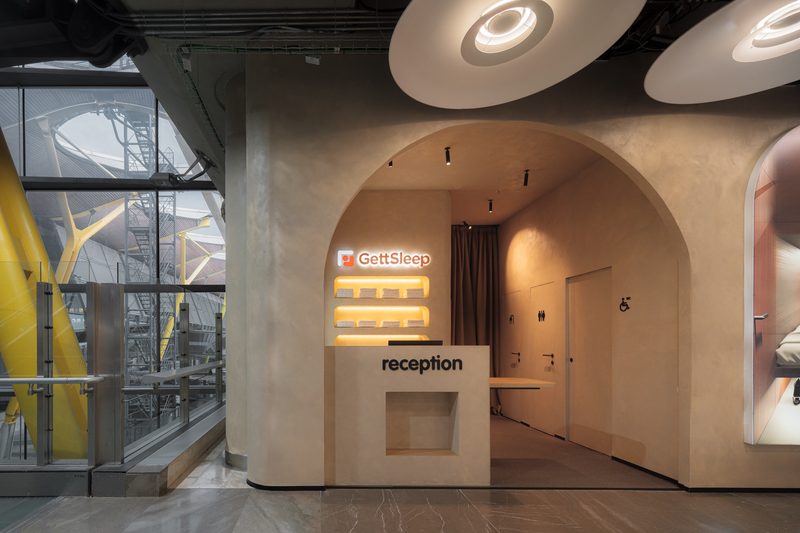
GettSleep Madrid - Barajas Airport - Terminal T4S - After security checkpoint
From $86 / night
Check Prices on Trip.com →
Public Holidays in July
Dates that affect opening hours, transport and crowds
Santiago Apóstol
A public holiday in these regions only: ES-GA, ES-PV.
Día de las Instituciones de Cantabria
Known in English as Day of the Cantabrian Institutions. A public holiday in these regions only: ES-CB.
Día de las Instituciones de Cantabria
Known in English as Day of the Cantabrian Institutions. A public holiday in these regions only: ES-CB.
Packing Checklist
Bookmark this page — your progress is saved between visits
Need the full list with shopping links?
Climate-specific gear, brand recommendations, and what to leave at home.
View Spain Packing List →Essential Tips
Insider knowledge and common pitfalls to avoid
Insider Knowledge
July heat makes the siesta a survival tactic, not folklore, fight it and you'll stand sweating outside locked doors. Outside Madrid and Barcelona, most non-tourist businesses shut from 2 PM to 5 PM. Plenty of bars and smaller restaurants also vanish for the whole afternoon. The working day has four beats. Sightsee hard before noon. Eat lunch at 2 PM, when locals do. From 3 PM to 6 PM, dive into an air-conditioned museum or just crash. Then, at 7 PM, the city snaps awake for a second full evening. Street food peaks after 8 PM. Bar buzz peaks after 8 PM. Restaurant energy peaks after 8 PM.
Northern Spain, the Basque Country, Cantabria, Asturias, and Galicia, isn't postcard Spain. July nails it. While the Med drowns in tourists and interior cities flirt with dangerous heat, this Atlantic corridor hovers at 20-25°C (68-77°F), still green from rain the south hasn't seen since March. The food scene, pintxos, seafood, Basque cider, Albariño wine, has serious food travelers calling it Europe's best. Flights to Bilbao, San Sebastián, and Santiago de Compostela from major European hubs keep getting more direct.
The Alhambra in Granada sells out weeks to months ahead, this isn't tourist-board fluff. The ticketing system caps daily visitors hard, and July slots for the Nasrid Palaces (the core of the complex) are gone by May or earlier. Planning a July trip to Granada? Check availability the moment your travel dates are fixed. Evening slots tend to last longer in availability than daytime, book these first and build your Granada itinerary around your ticket time rather than the reverse.
Spanish dinner time is late. Eating at tourist-restaurant hours will cost you, both in food quality and atmosphere. Spaniards eat lunch as the main meal between 2 PM and 4 PM. They take a merienda (light snack) around 6-7 PM. They sit down for dinner at 9 PM at the earliest, usually 10 PM. Restaurants serving food at 7 PM in July? They're serving visitors. The kitchen isn't at full pace. Ingredients may be yesterday's. The room lacks the hum that makes a Spanish dinner worth lingering over. Hold out until 9 PM. The difference is immediate, and obvious.
Avoid These Mistakes
44°C (111°F) isn't a number on a screen, it's a wall of heat that slams you at midday in Seville. Córdoba and the Andalusian interior hit the same furnace levels. These cities are magnificent. But July forces you indoors from noon to 6 PM. Travelers who book three days of walking and sightseeing in Seville during July often end up huddled in air-conditioned cafes, wondering where the guidebook version disappeared. Shift focus to northern Spain, restructure your days around evening hours, or wait until October when temperatures drop to 27°C (81°F) and every monument opens without heat risk.
Don't wait on Alhambra tickets. July punishes procrastination hardest, Granada swells with visitors, tickets vanish weeks early, and your backup choices (circling the exterior, touring gardens minus Nasrid Palaces) feel hollow when you flew in for those carved ceilings. Lock in your slot the instant dates firm up, even March or April for July.
You will burn. First-time visitors always do, within 48 hours of landing. Mediterranean UV doesn't mess around. You're jet-lagged from a less sunny climate, distracted by sightseeing, fooled by those cooling sea breezes. The result? Lobster-red skin and ruined plans. July hits UV index 8-10. Unprotected skin fries in 10-15 minutes during peak hours. Not half an hour. Not "eventually." Ten to fifteen minutes. Apply sunscreen before you leave your accommodation. Not at the beach. Not when you "get there." By the time you've walked to the waterfront, you've already absorbed serious UV through the midday air.
Ready to plan your trip to Spain?
Now that you've got the research covered, here's where to go next.
Book Experiences in Spain
Top-rated things to do in Spain this July


Explore More Activities in Spain
Didn't see anything interesting yet?
Browse Viator's full catalog of tours, day trips, food experiences, and private guides in Spain.
See All Spain Tours on Viator