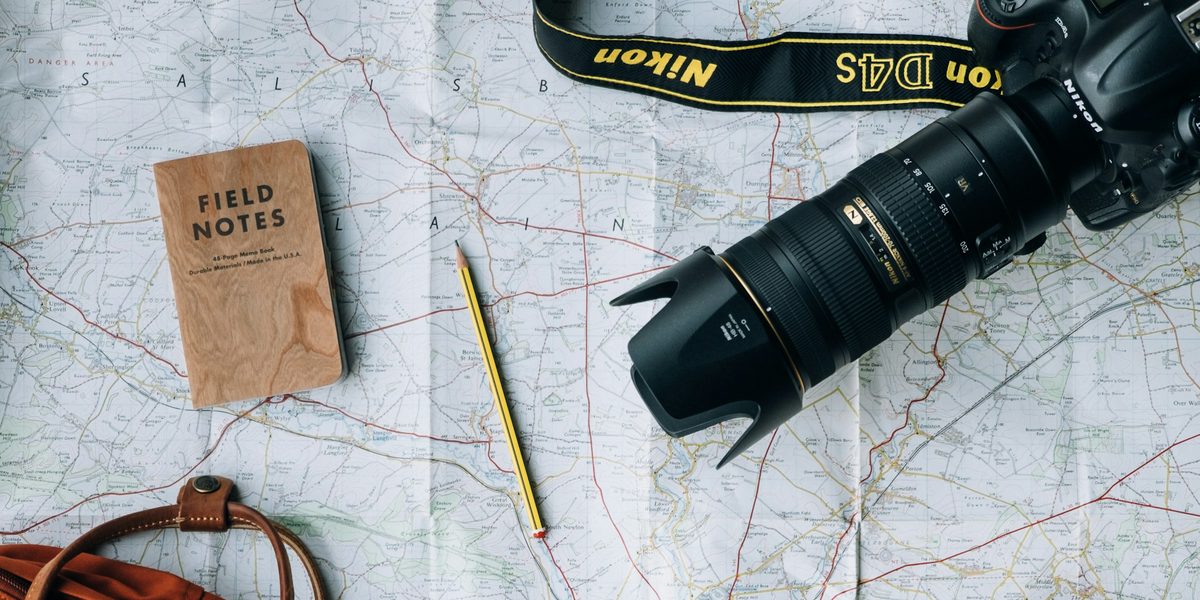
14 Days in Spain

14 Days in Spain

Trip Overview

Fourteen days in Spain is a masterclass in controlled overload. Madrid's art museums will floor you, Segovia and Toledo serve medieval magic straight up, Andalusia mixes Moorish architecture with flamenco passion, and Barcelona drops architectural fireworks at every turn. The food alone justifies the airfare. Jamón ibérico at a century-old Madrid taberna. Seville's crispy pescaíto frito. Granada's free tapas tradition, yes, free. Valencia's wood-fired paella beside the sea. Barcelona's pintxos-fuelled evenings that blur into dawn. The pace won't kill you, two to three main experiences per day, maximum. This leaves space for sun-baked plazas and those side streets that catch your eye. You'll have time to breathe. Sometimes. First Spain itinerary or fifth, the circuit from the meseta plateau through Andalusia and up the Mediterranean coast captures the country's full emotional range. Logic drives the route. Emotion drives everything else.

Pace
Moderate
Daily Budget
$120, 200 per day (mid-range); $70, 100 budget; $250, 400 upscale
Best Seasons
March, May and September, November deliver the best weather everywhere. Spain beaches shine in summer. But Andalusia turns brutal. Winter feels mild down south yet Madrid freezes.
Ideal For
First-time visitors, History buffs, Food and wine lovers, Architecture enthusiasts, Couples, Culture seekers

Day-by-Day Itinerary

A complete plan for every day of your trip

1

Arrival in Madrid, First Impressions of the Capital

Madrid rewards the slow approach. Walk the historic centre first, no map, just drift. Stop for a classic vermouth aperitivo. The bitter edge resets more than your palate. Early dinner follows, and your body clock falls into line.
Morning
Arrival and neighbourhood orientation walk
€5 and 30 minutes, that's all it takes. From Adolfo Suárez Madrid-Barajas Airport, hop on Metro Line 8 and ride straight to the city centre. Check into your hotel in Malasañan or La Latina. Then wander. No schedule. Just start at Puerta del Sol, drift through Plaza Mayor. The Habsburg-era arcades lean overhead. Street performers crowd the cobblestones. The city's restless energy? You'll feel it everywhere.
2, 3 hours $0 (free to explore)
Lunch
El Brillante near the Reina Sofía Museum, the bocadillo de calamares (fried squid roll) is a Madrid institution
Traditional Madrileño
Afternoon
Retiro Park and surroundings
Parque del Buen Retiro is Madrid's 350-acre lung, spend an afternoon here and you'll see why locals treat every day like Sunday. Rent a rowing boat on the lake, drift under the Crystal Palace's iron-and-glass arches, and watch Madrileños live their unhurried lifestyle. The park borders the Golden Triangle of Art, mark the Prado for tomorrow.
2, 3 hours $4, 6 (boat rental optional)
Evening
Tapas crawl through La Latina
Start at Calle de la Cava Baja, Madrid's tapas spine. The street pulses. Casa Lucas dishes out creative raciones that'll ruin you for plain croquetas forever. Slide next door to Bar Santurce, order their grilled sardines, the ones locals whisper about. They're charred, oily, perfect. When you've had enough, climb to a terrace bar on Plaza de la Paja. One of Madrid's most beautiful squares. Nightcap. Done.

Where to Stay Tonight

La Latina or Malasaña (3, 4 star boutique hotel or apartment rental)

You'll ditch taxis for 48 hours. Both neighbourhoods plant you within a five-minute stroll of the historic core, excellent tapas bars and major landmarks, cutting costs for the first two days completely.

See all Spain accommodation options →
Madrid's restaurants don't fill up until 9:30, 10pm. Eat before 9pm and you'll have your pick of tables, plus a quieter meal. Good for that first travel-fatigue evening.
Day 1 Budget: $80, 120 (arrival day, lighter spend)
2

Madrid's Golden Triangle, World-Class Art on Every Corner

Madrid's legendary museum mile packs three of the world's greatest art collections into one walkable stretch, no metro required. Dedicate the day. You'll knock off the Prado, Reina Sofía, and Thyssen in a single stroll.
Morning
Museo Nacional del Prado
10am at the Prado: that's your window. Walk straight past the line forming outside, by 10:30 the lobby feels like a metro station at rush hour. Head first to Velázquez's Las Meninas. The canvas stops conversation cold. From there, double back to Goya's Black Paintings, those walls of human darkness you won't shake for days. Bosch's Garden of Earthly Delights waits upstairs. Give it twenty minutes minimum, because every panel hides jokes, warnings, fever dreams. Finish with El Greco's The Trinity, the vertical slash of red and gold that pulls your eyes skyward. The place is enormous. Three hours, one printed highlights map, zero attempt to see everything, that is the only sane plan.
3 hours $17 general admission (free 6, 8pm)
Skip the queue. Book timed-entry tickets online at museodelprado.es, essential March, October.
Lunch
Mercado de San Miguel near Plaza Mayor, oysters, ibérico ham croquettes, and a glass of Manzanilla sherry. You'll graze.
Spanish gourmet market
Afternoon
Museo Nacional Centro de Arte Reina Sofía
Step off the sidewalk and into the Reina Sofía, Picasso's Guernica waits inside, the most powerful anti-war painting ever made. The museum owns a superb spread of 20th-century Spanish art: Miró, Dalí, and plenty more. An 18th-century hospital reborn. Jean Nouvel's glass elevator shafts slash through the stone. The building itself is half the show.
2, 3 hours $14 (free Monday evenings 7, 9pm, Sundays 1:30, 7pm)
Timed entry recommended via the museum website during peak months.
Evening
Rooftop sundowner then dinner on Gran Vía
Skip the queue, Hotel Riu Plaza España's rooftop delivers Gran Vía's best view as Madrid ignites below. You'll stand 20 floors up, city lights flickering like a switchboard. Later, walk to Estado Puro by Paco Rondero near the Prado. The place does modern tapas right, liquid olives burst like caviar, black squid ink croquettes crunch then melt. Impressive.

Where to Stay Tonight

La Latina or Malasaña (same as Day 1) (Same hotel, no packing needed)

Three nights in Madrid. One hotel. No daily check-in circus. You unpack once, drop the bag, and the city becomes yours.

See all Spain accommodation options →
Thyssen-Bornemisza Museum, the third member of the Golden Triangle, sits just 100 metres from both the Prado and Reina Sofía. Still walking? Its Impressionist and Early Renaissance collections plug holes the other two museums leave wide open.
Day 2 Budget: $130, 180
3

Royal Madrid, Palaces, Markets and Late-Night Flamenco

The Habsburg and Bourbon city demands a full day, start at the Royal Palace, lose yourself in the ancient Rastro flea market area, then finish with a traditional flamenco show to close the evening.
Morning
Palacio Real (Royal Palace) and Almudena Cathedral
Europe's biggest royal palace isn't in Vienna or Versailles, it's Madrid's Palacio Real, all 135,000 square metres of it. The frescoed ceilings, Stradivarius violins, and royal armoury are absurd. The State Rooms? jaw-dropping. Step next door to Catedral de la Almudena, free entry, and climb the rooftop terrace. You'll see Casa de Campo park spreading below, Sierra de Guadarrama rising beyond.
3 hours $15, 18 for Palacio Real; $10 cathedral rooftop
Skip the line. Book Palacio Real tickets online, the queue without tickets can hit 90 minutes in summer.
Lunch
Taberna La Bola, founded in 1870, serves Madrid cocido, a slow-cooked chickpea and meat stew that is the city's true soul food.
Classic Madrileño
Afternoon
El Rastro and Lavapiés neighbourhood exploration
Lavapiés barrio grabs you first. Southward wander through Madrid's most multicultural neighbourhood, past independent bookshops, street art, cafés that refuse to copy each other. Sunday mornings? El Rastro flea market floods Ribera de Curtidores. Vendors hawk antique maps. Vinyl records. Everything. Mercado de la Cebada delivers the real neighbourhood market experience, no tourist gloss.
2, 3 hours $0 to browse. Variable for shopping
Evening
Traditional flamenco show
10:30pm. That's when the real flamenco starts at Casa Patas on Calle Cañizares, Madrid's most respected venue for the art. Very Spanish timing. You'll want to arrive at 9pm for the attached restaurant's grilled fish and Rioja wine, fuel for the show. Book ahead. Shows sell out several nights a week.

Where to Stay Tonight

La Latina or Malasaña (Same hotel as Days 1, 2)

Last night in Madrid, convenient and familiar base.

See all Spain accommodation options →
Madrileños drink Agua de Valencia, cava, orange juice, vodka, in summer. Or they'll grab a Clara, beer cut with lemon. Order like a local and the bar clock ticks faster. The staff won't ask twice.
Day 3 Budget: $140, 200
4

Day Trip to Segovia, Fairytale Aqueduct and Castillo

Segovia (day trip from Madrid)
Thirty minutes on Spain's high-speed rail drops you into Segovia, one of the country's most dramatic small cities. You're greeted by a soaring Roman aqueduct, a castle that inspired Disney, and the best roast suckling pig in Spain.
Morning
Roman Aqueduct of Segovia and historic centre walk
Board the first Renfe Avant at 7:55am sharp from Chamartín station, you'll roll into Segovia at 8:28am. The aqueduct slams into view first: 167 arches of granite, no mortar, stacked in 50 AD and still scraping 28 metres high. Climb the snaking medieval lanes, slip past Romanesque churches and the old Jewish quarter (Judería), until you spill into Plaza Mayor.
2, 3 hours $8, 10 (train €12 each way)
Renfe train tickets vanish fast. Book at renfe.com. Do it a week ahead. Early morning trains sell out, always.
Lunch
At Restaurante José Marían on Plaza del Azoguejo, they don't just serve Segovia's most famous cochinillo asado, they perform it. The roast suckling pig arrives whole, its skin lacquered bronze. Then comes the moment: a white plate held high, brought down through the pig with deliberate force. The plate cracks the crisp skin, slides through meat so tender it yields without resistance. This isn't theater for tourists, it's tradition, unchanged for decades. The pig's done when the plate cuts clean through.
Castilian roast meats
Afternoon
Alcázar de Segovia
Walt Disney cribbed his Sleeping Beauty Castle from the Alcázar, a turreted castle that erupts from a dramatic rocky promontory above the confluence of two rivers. Walk the Gothic throne room first. Then the Hall of Kings: 52 painted monarchs stare back. Climb the Torre de Juan II. On a clear day the Castilian plateau rolls east until Madrid appears at the horizon.
2 hours $12 including tower
Buy tickets online at alcazardesegovia.com to avoid queues.
Evening
Return to Madrid, evening at leisure
Skip the 9 a.m. rush, catch the late afternoon train back to Madrid instead. You've got plenty of departures. After cochinillo at lunch, you won't need another feast. Grab a light jamón and cheese board with Castilian wine at a neighbourhood bar near your hotel. Simple. Perfect.

Where to Stay Tonight

Madrid (same hotel as Days 1, 3) (Same hotel)

Day trip structure means no extra packing or check-in costs.

See all Spain accommodation options →
Segovia's aqueduct turns electric at dusk, floodlights make those 2,000-year-old arches look like they're glowing from within. Trains back to Madrid keep rolling until late evening, so linger. You'll catch golden-hour shots without the panic.
Day 4 Budget: $100, 150 (day trip economy)
5

Toledo Stopover en Route to Andalusia

Toledo → Córdoba
Toledo's medieval maze hits you first, Christian cathedrals shoulder-to-shoulder with synagogues and mosques, all crammed inside a World Heritage city that still breathes medieval Spain's 'three cultures'. Morning light turns stone gold. You'll walk narrow lanes where Moors, Jews, and Christians once traded ideas like spices. Then, simple. Board the high-speed AVE south to Córdoba.
Morning
Toledo, Cathedral, El Greco Museum and Three Cultures cityscape
El Greco's 1597 skyline still crowns Toledo, a granite hill ringed by the Tagus. The Catedral Primada, Spain's supreme cathedral, overflows with El Greco canvases, carved choir stalls, and a Transparente altarpiece that punches a hole in the roof for sunlight. Climb to the Alcázar mirador. This is the city panorama you'll remember.
3 hours $15, 20 (cathedral entry)
Skip the line. Grab Toledo cathedral tickets at the cathedral box office, or punch them up online at catedralprimada.es.
Lunch
Adolfo Colección near the cathedral, a 16th-century convent turned restaurant. Classic Toledan cuisine. Perdiz estofada (braised partridge) arrives bubbling. Marzipan desserts finish strong.
Traditional Toledan
Afternoon
AVE high-speed train to Córdoba
Skip Toledo station's taxi queue, grab the local train instead. You'll reach Madrid Atocha in 45 minutes flat, then switch to AVE for Córdoba (1h 45m). Book a room in the Jewish Quarter, somewhere you can walk to the Mezquita before sunset. The Judería's whitewashed lanes twist tight. Geraniums explode from hidden patios around every corner.
Travel 3, 4 hours including connection $40, 70 (Madrid, Córdoba AVE)
Book AVE tickets at renfe.com 2 weeks ahead, early-bird Promo fares come in 60% cheaper.
Evening
Caliphate Quarter at dusk and Andalusian dinner
The golden hour is the only time to see the Puente Romano (Roman Bridge), the Mezquita-Catedral floats above the Guadalquivir like a mirage. Locals swear by Taberna Casa Pepe de la Judería, slinging rabo de toro since 1928. Grab a table, order the braised oxtail, and wash it down with a glass of chilled Montilla-Moriles wine.

Where to Stay Tonight

Jewish Quarter (Judería), Córdoba (Boutique hotel in a restored Moorish mansion (casa palacio))

Book a room inside the Juderían and the Mezquita is five minutes away on foot. You're dropped straight into Spain's most atmospheric barrio, no commute, no fuss.

See all Spain accommodation options →
Córdoba's Judería hides Calleja de las Flores, a sliver of alley so exact that Mezquita's bell tower seems to sprout straight from its clay pots. Beat the crowds. Arrive by 9am.
Day 5 Budget: $150, 200 (travel day with train costs)
6

Córdoba, The Great Mosque and the City of Three Cultures

Córdoba
One day in medieval Europe's smartest city. The Mezquita-Catedral, the Alcázar of the Christian Monarchs, and the legendary patios of the old quarter, done.
Morning
Mezquita-Catedral de Córdoba
856 red-and-white striped arches. That is the first thing that hits you inside the Great Mosque of Córdoba. Built by the Umayyad Caliphate from 784 AD and expanded over three centuries, the forest of columns seems to stretch to infinity. Then you spot it, a Renaissance cathedral jammed into the centre. The clash is staggering. Arrive at 9am opening. You'll have the place to yourself before the crowds arrive.
2, 3 hours $14
Spring and summer? You'll need a ticket. Mandatory timed-entry tickets via mezquita-catedraldecordoba.es, book at least one week ahead.
Lunch
Bar Santos sits directly across from the Mezquita. Their tortilla española? A massive wedge of potato and egg that costs next to nothing. Locals crowd in, plates balanced, eating upright at the bar.
Classic Spanish tapas
Afternoon
Alcázar de los Reyes Cristianos and Patios Festival area
Ferdinand and Isabella ran the Reconquista from the Alcázar of the Christian Monarchs, same complex later used by the Spanish Inquisition. The geometric Moorish gardens, all fountains and orange trees, feel like a quiet rebellion against the Mezquita crowds. Afterward, walk Barrio San Basilio. In May the famous Patios Festival floods these streets with extraordinary courtyard gardens, though select houses keep them open year-round.
2, 3 hours $5–8
Evening
Flamenco and farewell dinner in Córdoba
Tablao El Cardenal beside the Alcázar throws flamenco at you every night, raw, historic, loud. After? Grab a cold glass of rebujito (sherry and lemon Fanta, absurdly refreshing) and grilled fresh anchovies at any bar along Calle del Buen Pastor.

Where to Stay Tonight

Jewish Quarter, Córdoba (Same hotel as Day 5)

Last night in Córdoba, early train to Seville tomorrow.

See all Spain accommodation options →
Every May, Córdoba's Festival de los Patios becomes UNESCO-listed intangible heritage. Private homes fling open their flower-filled interior courtyards to strangers, if you're here in May, this alone justifies the trip.
Day 6 Budget: $120, 160
7

Seville Arrives, Cathedral, Giralda and the Alcázar

Seville
45 minutes. That is all it takes for the train to spit you into Seville, Andalusia's hot-blooded capital. Hit the two biggest sites the second you arrive, then surrender the night to the city's unmatched street life.
Morning
Córdoba to Seville by AVE + Cathedral de Sevilla
45 minutes. That's all the morning AVE from Córdoba needs, then you're in Seville. Dump your bags at the hotel in Santa Cruz barrio and don't linger. Walk straight to Cathedral de Sevilla, the planet's biggest Gothic cathedral and Columbus' final address. The Giralda tower, once a Moorish minaret, hides a secret: ramps, not stairs, let you retrace the route of mounted guards. From the top, Seville's terracotta roofscape spreads below. Exceptional.
2, 3 hours $14 (train €20; cathedral included)
Skip the line. Book Seville Cathedral tickets at catedraldesevilla.es, queues without tickets can stretch past 2 hours in peak season.
Lunch
El Rinconcillo, pouring since 1670, is Seville's oldest bar, order the espinacas con garbanzos and a cold Manzanilla sherry.
Classic Sevillano tapas
Afternoon
Real Alcázar de Sevilla
Still a working royal residence, the Royal Alcázar is one of the world's most beautiful palaces, Mudéjar style built for King Pedro I in the 14th century, rising from an earlier Moorish palace. The Ambassadors' Hall dome soars overhead. The Patio of the Maidens enchants. Terraced gardens spill down with reflecting pools and pavilions, extraordinary. Game of Thrones filmed Water Gardens scenes here.
2, 3 hours $17
Alcazarsevilla.org, book early. One of Spain's most-visited monuments, it sells out fast.
Evening
Tapas bar circuit through Barrio Santa Cruz
You'll get lost. Good. The old Jewish quarter's alleyways twist tighter until you spill into Bodega Santa Cruz (Las Columnas), no seats, just jamón and cold beer wedged between strangers. Next door, Bar Europa's croquetas live up to the hype. After dark, the whole quarter flips, candlelit terraces glow above jasmine-scented air. Magic.

Where to Stay Tonight

Barrio Santa Cruz or El Arenal (Boutique hotel in a converted 18th-century palacio)

Santa Cruz drops you at the door of every major monument and the city's best tapas streets, walk out, you're in Seville's finest neighborhood.

See all Spain accommodation options →
Snag one of the Alcázar's early-morning 'exclusive visit' tickets, only a handful go on sale before 9:30am, and they cost more. Pay it. The palace stands almost silent. Gold light slides through Mudéjar arches. You won't forget it.
Day 7 Budget: $150, 210
8

Seville Deep, Flamenco, Triana and the River

Seville
Cross the river. Triana isn't a suburb, it's Seville's flamenco heartland, raw and loud. Skip the monuments. Take a sunset river cruise instead. You'll see the city glow, then catch the most passionate tablao performance in Andalusia.
Morning
Museo del Baile Flamenco and Triana neighbourhood
Begin at the Museo del Baile Flamenco. This tight museum unpacks flamenco's Roma, Moorish and Jewish roots through exhibits that pull you in. Cross the Triana Bridge next, Seville's working-class quarter that birthed many of history's greatest flamenco artists. Browse the Mercado de Triana for local olives, cheeses and azulejo tilework. Grab coffee at Bar La Plazuela.
3 hours $12 (museum entry)
Lunch
Bar Blanco Cerrillo in Triana, a neighborhood bar that gets it right. Mollete, those soft rolls, arrive slathered with fresh tomato and olive oil. The fried fish lands crisp, hot, perfect with local white wine.
Sevillano home cooking
Afternoon
Metropol Parasol (Las Setas) and Plaza de España
Six mushroom-shaped wooden parasols, Las Setas, loom over Seville. They're Europe's boldest modern structure. Ride the walkway skyward. The city spreads below like a map. Grab a taxi or pedal over to Plaza de España. The 1929 semicircular palace complex curves around a canal. Ornamental bridges arch across the water. Each ceramic tile alcove honors a Spanish province. Impressive.
3 hours $5 (Setas walkway)
Evening
Professional flamenco tablao performance
Casa de la Memoria, in central Santa Cruz, stages Seville's most intimate flamenco, 100 seats only, candlelit Moorish courtyard, zero tourist gloss. Book early. Every night sells out. Pre-show dinner at Eslava: grilled seabass, chilled Albariño.

Where to Stay Tonight

Barrio Santa Cruz (Same hotel as Day 7)

No need to move, full two-night stay in Seville.

See all Spain accommodation options →
Seville food culture rewards those who eat very late. Madrileños dine at 10pm but Sevillanos prefer 11pm. Eat at 8:30pm and you'll sit alone, totally fine. But the real scene starts at 10pm.
Day 8 Budget: $130, 170
9

Granada and the Alhambra, the Crown of Moorish Spain

Granada
The Alhambra Palace complex, UNESCO World Heritage site, is the greatest surviving example of Moorish architecture anywhere. This is the day.
Morning
Alhambra Palace, Nasrid Palaces and Generalife Gardens
Catch the early bus from Seville. Three hours later you'll roll into Granada before lunch. The Alhambra rises above the city, red walls cutting through pine forest. Your pre-booked ticket opens the Nasrid Palaces: arch after arch of carved stucco, hand-painted tiles, honeycomb ceilings, water catching light. The Patio de los Leones and the Hall of the Ambassadors, two rooms that stop conversation cold.
4 hours $18 (bus from Seville ~$25)
Alhambra tickets vanish faster than tapas at a fiesta, book at alhambra-patronato.es 6, 8 weeks ahead, minimum. The Nasrid Palaces enforce timed entry like clockwork. Sold-out means sold-out; the gate won't save you. This is non-negotiable.
Lunch
Restaurante Jardines Alberto sits inside the Alhambra grounds, yes, it is expensive. The payoff? You're dining within palace complex gardens, an extraordinary setting that turns any meal into a special occasion.
Andalusian fine dining
Afternoon
Albaicín neighbourhood and Mirador de San Nicolás
Drop down from the Alhambra into the Albaicín, the old Moorish quarter of Granada, a UNESCO maze of cobbled lanes, Arab tea houses (teterías), whitewashed houses, and tucked-away garden terraces. Hike up to the Mirador de San Nicolás for the definitive Alhambra view: the palace burning amber across the valley with the Sierra Nevada snowfields stacked behind it. This angle is Spain's most photographed.
2, 3 hours $0
Evening
Free tapas tradition and cave flamenco in Sacromonte
Order a drink, any drink, in Granada and a tapa lands on your table. No extra charge. Bar Poë, La Riviera and Bar Aixa in the Albaicín still honor the deal. After dinner, grab a taxi to Sacromonte, the cave neighborhood where gypsies carved homes into the hillside and flamenco first caught fire. Zambra Cueva de la Rocío stages shows inside a real cave.

Where to Stay Tonight

Albaicín neighbourhood or city centre (Carmen (traditional Granada house with garden terrace))

A Carmen in the Albaicín gives you the real Granada, no tour buses, just locals. Morning coffee on the terrace. Alhambra rising above the rooftops. One view and you'll understand why this neighborhood anchors every Spain itinerary.

See all Spain accommodation options →
The Alhambra after dark? Better. Night visit tickets, sold separately, unlock the Nasrid Palaces glowing gold. Crowds vanish. Book alongside day tickets and you'll witness the same palace twice: once sunlit, once moonlit. Same stones, two moods. Extraordinary.
Day 9 Budget: $150, 220
10

Granada Mornings and the Road to Valencia

Granada → Valencia
Granada mornings are made for lingering, cathedral first, then the covered market. You'll wander, you'll nibble, you'll forget the clock. After that, grab the afternoon bus or train to Valencia and hug the Mediterranean coast the whole way.
Morning
Granada Cathedral, Royal Chapel and Alcaicería bazaar
Granada's Renaissance cathedral is Spain's first, built over the main mosque after 1492. More moving: the adjacent Capilla Real. The Royal Chapel holds the magnificent tombs of Ferdinand and Isabella, monarchs who ended 800 years of Moorish rule in Spain. Their personal art collection, Flemish masterworks included, lines the walls. The Alcaicería, a restored Moorish silk market, sells spices, ceramics and leather nearby.
2, 3 hours $10–15
Lunch
Bar Los Diamantes on Calle Navas, Granada's best freiduria. The fried fish bar. Their prawn tortillas? Notable. Crispy calamares too. A complimentary tapa with every drink.
Andalusian fried seafood
Afternoon
Travel to Valencia by bus or train
ALSA coaches run direct Granada, Valencia runs, 5, 6 hours door to door, with decent seats and WiFi that works. Or you can ride the regional train through Almería, slower but cheaper. The inland route is Spain stripped bare: mile after mile of olive groves, sudden orange orchards, then the Meseta's blank horizon until the Mediterranean finally appears. You'll roll into Valencia by early evening.
5, 6 hours travel $25, 45 (ALSA bus)
Weekend buses to Granada? Gone by Wednesday. Book ALSA bus tickets at alsa.com at least 3, 4 days ahead. Seats sell out on weekend services, every single one.
Evening
Arrival in Valencia and first impressions
Check in to your hotel in El Carmen (Valencia's old town). Walk straight to Mercado Central after checking the evening opening hours. Or pivot to Bar Pilar near the Central Market for classic Valencian mussels in broth and cold Estrella Damm. Valencia's evening is gentler than Seville, the city rewards explorers who arrive without agenda.

Where to Stay Tonight

El Carmen or Russafa neighbourhood, Valencia (3, 4 star hotel or design apartment)

El Carmen is Valencia's most atmospheric old quarter; Russafa is the hip creative district, both are ideal bases for the city's two main attractions.

See all Spain accommodation options →
Valencia is Spain's third city. Yet feels half the size. The old town is walkable. 300+ days of sunshine a year means terrace life rolls on even in October and November.
Day 10 Budget: $100, 150 (travel day)
11

Valencia, Paella, Futuristic Architecture and Spain Beaches

Valencia gave the world paella and still owns the best plate of it. One of Europe's most extraordinary 21st-century architectural complexes sprawls here too. Today pairs a culinary pilgrimage with a design spectacle, then hands you the afternoon at the beach.
Morning
Mercado Central and El Carmen old town
Valencia's Central Market is one of Europe's most beautiful covered markets, a 1928 Art Nouveau iron-and-glass cathedral the size of a football pitch. Inside: fresh produce, jamón, cheese, seafood and the tigernuts (chufas) that become Valencia's refreshing horchata drink. After, wander El Carmen barrio, street murals, Roman ruins visible through floor panels, medieval Torres de Serranos city gates.
2, 3 hours $0 (free to explore; budget $10, 15 for tastings)
Lunch
La Pepica on Playa de la Malvarrosa, a century-old beach restaurant where Hemingway ate and the paella valenciana (chicken, rabbit and green beans, never seafood) is made over open wood fires
Authentic Valencian paella
Afternoon
Ciudad de las Artes y las Ciencias and Spain's beaches
Europe's biggest aquarium sits inside a spaceship. Santiago Calatrava's City of Arts and Sciences lifts off in Valencia, futuristic white concrete, 4km from Playa de la Malvarrosa. The complex strings together the Oceanogràfic, the Hemisfèric IMAX dome, and the Palau de les Arts opera house; Spaniards call it the country's most impressive modern build. After you walk the architecture, grab a towel. Malvarrosa gives you golden sand and calm Mediterranean water, one of Spain's finest city beaches.
3, 4 hours $0 (exterior) or $30, 40 (Oceanogràfic entry)
Book Oceanogràfic tickets at oceanografic.org for priority entry.
Evening
Russafa tapas and Valencian wine bar hopping
Russafa neighbourhood (Valencia's answer to Malasaña) hosts Spain's most exciting new restaurants. Canalla Bistro by Ricard Camarena throws creative small plates at you inside a circus-tent setting. You'll finish at Bodega Casa Montaña, founded in 1836, for spectacular anchovies and one of Spain's finest wine lists.

Where to Stay Tonight

El Carmen or Russafa, Valencia (Same hotel as Day 10)

Two nights in Valencia covers the city without rushed logistics.

See all Spain accommodation options →
Seafood paella at dinner? Tourist trap. In Valencia, the real fight is over authenticity: real paella uses chicken, rabbit, and ferradura green beans, never mixed seafood. Locals won't touch paella after lunch. Any Valencia restaurant pushing seafood paella at night is catering to visitors, full stop.
Day 11 Budget: $140, 190
12

The Road to Barcelona, Penedès Wine Country

Valencia → Penedès → Barcelona
Skip Barcelona's airport chaos. Ride the high-speed train north, three hours, one beer, zero traffic. The rails drop you straight into Plaça de Catalunya, and if you've got an extra day, swing west through Penedès wine region. Cava country. Crisp whites. Vineyards stitched across limestone hills since the 1870s.
Morning
Early AVE from Valencia to Barcelona
3 hours 10 minutes. That is all the Valencia, Barcelona AVE needs, and the coastal views as it skirts the Mediterranean will keep your eyes busy the whole way. Or break the trip. Stop midway at Sitges, a gorgeous whitewashed beach town on the Garraf coast, for two hours, then jump back on the train to Barcelona. Either choice lands you in Barcelona by early afternoon. You will still have light left to explore the Eixample neighbourhood before sunset.
3 hours travel $35, 70 (AVE depending on booking time)
Snag Valencia, Barcelona AVE tickets at renfe.com, early-bird Promo fares drop under €20. You'll need to book 3, 4 weeks ahead.
Lunch
Stop in Sitges. Hit any chiringuito on Platja de Sant Sebastià, grilled gambas, cold Penedès white. Simple. Barcelona? La Barceloneta beachfront for fresh seafood.
Mediterranean seafood
Afternoon
Arrival in Barcelona and Eixample exploration
Drop your bags at a Barcelona hotel in Eixample, the 19th-century grid that Cerdà drew with a ruler, where Gaudí's wildest works still elbow the sky. Then head straight for Passeig de Gràcia. Three facades, Casa Batlló, Casa Amatller, Casa Lleó Morera, line up like rival siblings. Each Modernisme masterpiece shouts louder than the last. Total visual chaos. Worth every stare.
2, 3 hours $0 (exterior viewing free)
Evening
El Born neighbourhood and first pintxos bar
El Born, Barcelona's most stylish old neighbourhood, is a 5-minute walk. Santa Maria del Mar Gothic church anchors it. Mercat de Santa Caterina feeds it. Bar del Pla does dinner: croquetes, patatas bravas, all-Catalan wine list. Then El Xampanyet, legendary bar, house cava from the barrel since 1929.

Where to Stay Tonight

Eixample or El Born, Barcelona (3, 4 star design hotel or serviced apartment)

Eixample puts you steps from Gaudí's masterworks. El Born drops you straight into the city's most atmospheric medieval quarter, good for evening wandering.

See all Spain accommodation options →
Barcelona hotels will empty your wallet, lock in your Barcelona bed the moment you click "buy" on Alhambra tickets, 6, 8 weeks out, for mid-range rates that won't sting. Eixample keeps you central, all straight lines and elegance. El Born drips atmosphere. Gràcia gives you the local pulse, minus the roar.
Day 12 Budget: $150, 220 (travel and accommodation in pricier Barcelona)
13

Barcelona, Gaudí, Gothic Quarter and La Barceloneta

Barcelona in one day? Doable. Start early at Sagrada Família, Gaudí's stone forest still growing skyward after 140 years. The light inside shifts every hour. Next, grab a taxi to Park Güell. Mosaic lizards guard the entrance. The city spills below like broken tile. Then plunge into the Gothic Quarter. Two millennia of history squeeze into alleys barely wide for your shoulders. Roman walls, Gothic arches, tapas bars wedged between. End at Barcelona's Mediterranean beach. The sand is coarse, the water cold, the bars loud. Four stops, one city, zero regrets.
Morning
Sagrada Família
Still unfinished after 142 years, Antoni Gaudí's basilica, started in 1882, slated for 2026, is Spain's most visited monument. Period. Inside, the nave's hyperbolic paraboloid columns branch like a forest canopy. Light through Gaudí's stained glass turns the interior into a cathedral of colour. Ride the tower lift for views across Barcelona's grid to the sea.
2, 3 hours $28, 35 (including tower access)
Book now or miss out. Non-negotiable advance booking at sagradafamilia.org, the basilica sells out weeks ahead in spring and summer. Lock in your specific time slot with tower access at the same time.
Lunch
La Cova Fumada in Barceloneta has no sign and takes cash only. They invented the bombas, potato and meat croquette, and have served their fried seafood classic since 1944. Arrive before 1pm or they'll have sold out.
Classic Barceloneta seafood
Afternoon
Gothic Quarter and La Barceloneta beach
Temple of Augustus columns still stand inside a medieval courtyard, Barri Gòtic was built right over the original Roman colony of Barcino. Wind through the narrow lanes around Plaça Reial and the Cathedral of Barcelona. Then head downhill to La Barceloneta for a swim. The beach is urban, busy, but the Mediterranean stays clear and warm from June to October. Cold beer in hand while watching the sea, pleasant Spanish tradition.
3, 4 hours $0
Evening
Park Güell at sunset and El Raval dinner
Park Güell's monumental zone won't let you in without an advance timed ticket, but you'll forgive the hassle once you're watching Barcelona glow at dusk from Gaudí's fairy-tale hilltop. Head down into El Raval afterward. Bar Marsella, Barcelona's oldest bar founded in 1820, opens at 10pm for night owls amid dusty absinthe bottles. Then eat at Suculent by Antoni Romero for elevated Catalan cuisine.

Where to Stay Tonight

Eixample or El Born (Same hotel as Day 12)

Two nights in Barcelona, last full day tomorrow.

See all Spain accommodation options →
Park Güell won't let you in without a timed ticket. The Monumental Zone, the famous mosaic terrace, sells out fast. Book at parkguell.barcelona 2 weeks ahead or forget it. But here's the thing: the surrounding paths and forest cost nothing. You'll still see plenty of the park without paying.
Day 13 Budget: $160, 230
14

Final Barcelona Morning, La Boqueria, Casa Batlló and Farewell

Hit Barcelona's final highlights hard this morning. Leave by afternoon, or don't. Stretch your stay, sip one last café con leche, and give Spain the slow goodbye it deserves.
Morning
La Boqueria Market and Las Ramblas
Skip the queues at noon, Barcelona's covered market on Las Ramblas still delivers. Touristy? Absolutely. Spectacular? Without question. Stalls heave with Iberian jamón, Catalan cheeses, pyramids of tropical fruit, and pans of just-grilled seafood that smell like summer. Grab breakfast at the market bar: pan con tomate, bread rubbed with tomato and olive oil, plus a plate of jamón. Then walk the full length of Las Ramblas from Plaça de Catalunya to the Christopher Columbus Monument, where the harbour opens wide.
2 hours $15, 25 (breakfast and browsing)
Lunch
Bodega Sepúlveda in Eixample, a classic neighbourhood wine bar. They serve exceptional charcuterie, cheese and seasonal small plates. Everything comes from Catalan producers. The vermouth is poured straight from the barrel.
Modern Catalan
Afternoon
Casa Batlló or Palau de la Música Catalana (choose one)
Skip the lines, Casa Batlló is Gaudí's 1906 residential masterpiece, its facade a mosaic of dragon scales and bones, and the self-guided immersive tour is worth every euro. Or pivot to Palau de la Música Catalana, the 1908 concert hall Lluís Domènech i Montaner built as a stained-glass explosion of Modernisme that UNESCO tags "a burst of light and colour". Both are must-sees; pick the one that fits your flight time.
2 hours $40 (Casa Batlló) / $20 (Palau de la Música guided tour)
Skip the line. Casa Batlló is Barcelona's most booked ticket, reserve at casabatllo.es weeks ahead or you'll miss it. Palau de la Música: palaumulica.cat.
Evening
Departure or extended farewell evening
Evening flight? Grab a final vermouth on the Eixample terrace bar at Boca Grande, then demolish wood-fired Catalan meats at La Pepita before you bolt for the airport. Morning departure? Walk Barceloneta promenade at dusk, knock back one last glass of cava at El Xampanyet, and slip into a quiet dinner in El Born. Barcelona, El Prat Airport sits 20 minutes from the city centre on the Aerobus (€6.75).

Where to Stay Tonight

Barcelona (last night if flight is next day) (Same hotel as Days 12, 13)

Staying put avoids unnecessary movement on the last day.

See all Spain accommodation options →
A tin of anchoas del Cantábrico in olive oil, Barcelona's most beloved food souvenir. Grab them at La Boqueria or any good deli. They'll survive the journey home beautifully. Excellent anchovies. The local brand La Catedral de Navarra is exceptional.
Day 14 Budget: $150, 200 (final day with attraction entries)

Practical Information

Everything you need to know before you go

Getting Around
AVE trains are your lifeline here. Renfe's high-speed network stitches Madrid, Córdoba (1h 45m), Córdoba, Seville (45m), and Valencia, Barcelona (3h 10m) into one smooth arc. Book every ticket at renfe.com, do it 3, 4 weeks ahead to grab Promo fares up to 70% cheaper than walk-up prices. Inside each city, metro and bus lines are reliable, cheap ($1.50, 2 per ride), and everywhere. Taxis plus Cabify and Bolt apps cover the gaps. The Granada, Valencia stretch runs on ALSA coach, book at alsa.com. Skip car hire. You won't need it for this city-to-city plan.
Book Ahead
Book now or miss out. Alhambra Nasrid Palace timed entry, 6, 8 weeks ahead at alhambra-patronato.es. Sagrada Família with towers, 4, 6 weeks ahead. All AVE train segments, 3, 4 weeks ahead. No exceptions. Real Alcázar Seville, Mezquita Córdoba, Prado Museum, Casa Batlló, reserve these too. Flamenco shows in Seville and Granada fill fast. Park Güell Monumental Zone caps visitors.
Packing Essentials
You'll clock 8, 12km daily on cobblestones, comfortable walking shoes aren't negotiable. Lightweight layers save you; Madrid sits high and cool, coastal cities bake. Spain runs Type F plugs, bring the adapter. Summer sun punches hard: pack sunscreen and a hat. A compact day bag keeps hands free for tapas. Flash your European health insurance card if you've got one, and buy travel insurance with real medical coverage. Spaniards dress sharp after dark, smart-casual clothes get you into upscale restaurants without the stare.
Total Budget
Budget traveller: $980, 1,400 (14 days); Mid-range: $1,680, 2,800; Upscale: $3,500, 5,600. Excludes international flights. Biggest costs: Barcelona and Seville hotels, Alhambra and Sagrada Família tickets, AVE train segments. Biggest savings: eating a main meal at lunchtime menus del día ($12, 15 for three courses with wine), using metro over taxis, and booking all tickets early.

Customize Your Trip

Adapt this itinerary to your travel style

Budget Version
Slash your lodging bill by booking private rooms in top-rated hostels, Equity Point hostels in Barcelona and Madrid deliver. Skip dinner splurges and eat only menús del día for lunch ($12, 15 three courses). Forget Casa Batlló; the free exterior Gaudí viewing is better. Hit the Prado's free evening hours (6, 8pm). You'll keep the total budget at $70, 90 per day and still hit every essential experience of this Spain itinerary.
Luxury Upgrade
Trade up to paradores, those state-owned historic hotels in castles and monasteries, in Córdoba and Granada. Add five-star stays at Hotel Alfonso XIII in Seville and Hotel Arts in Barcelona. You'll skip lines with private guided tours of the Alhambra and Sagrada Família. Reserve tasting menu dinners at Michelin-starred restaurants, Dani García (Marbella day trip), ABaC (Barcelona), and Coque (Madrid). Daily budget jumps to $400, 600. The quality of experience is extraordinary.
Family-Friendly
Skip the late-night Seville flamenco tablao, swap in the daytime Museo del Baile Flamenco show instead. Shorter. Age-appropriate. Done. Valencia adds two must-dos: Oceanogràfic aquarium and Ciudad de las Ciencias science museum. Both are excellent for children. Barcelona doubles down with CosmoCaixa science museum and the Barcelona Zoo beside Citadella Park. Superb. Slow the pace. Replace some train travel days with an extra night in each city. Daily walking drops to 5, 6km. Granada keeps the free-tapas tradition. It delights children of all ages.
Book Activities for Your Trip
Tours, tickets, and experiences in Spain

Didn't see anything interesting yet?

Browse Viator's full catalog of tours, day trips, food experiences, and private guides in Spain.

See All Spain Tours on Viator